
Creating Calm Through Biophilic Interior Design
There is something instinctively calming about stepping into a space that feels connected to nature. It is not always something you can immediately define, but rather something you feel. The light seems softer, the textures more inviting, and the overall atmosphere more at ease. As our lives become increasingly fast paced and digitally driven, the desire to create spaces that offer comfort and restoration continues to grow.
Biophilic and nature inspired design speaks directly to that need by bringing the outdoors in with intention and care. It is not simply about decorating with plants, but about shaping an environment that supports well being through natural materials, organic forms, and thoughtful design choices. The result is a home that feels grounded, welcoming, and deeply connected to the world just beyond its walls.
When you start to look a little closer, it becomes clear that this style is not about one defining feature, but a series of small, intentional choices that come together over time. The materials you bring in, the way light fills a room, even the shapes and colors you surround yourself with all play a part. It is this layered approach that makes biophilic design feel so natural, and so easy to live in.
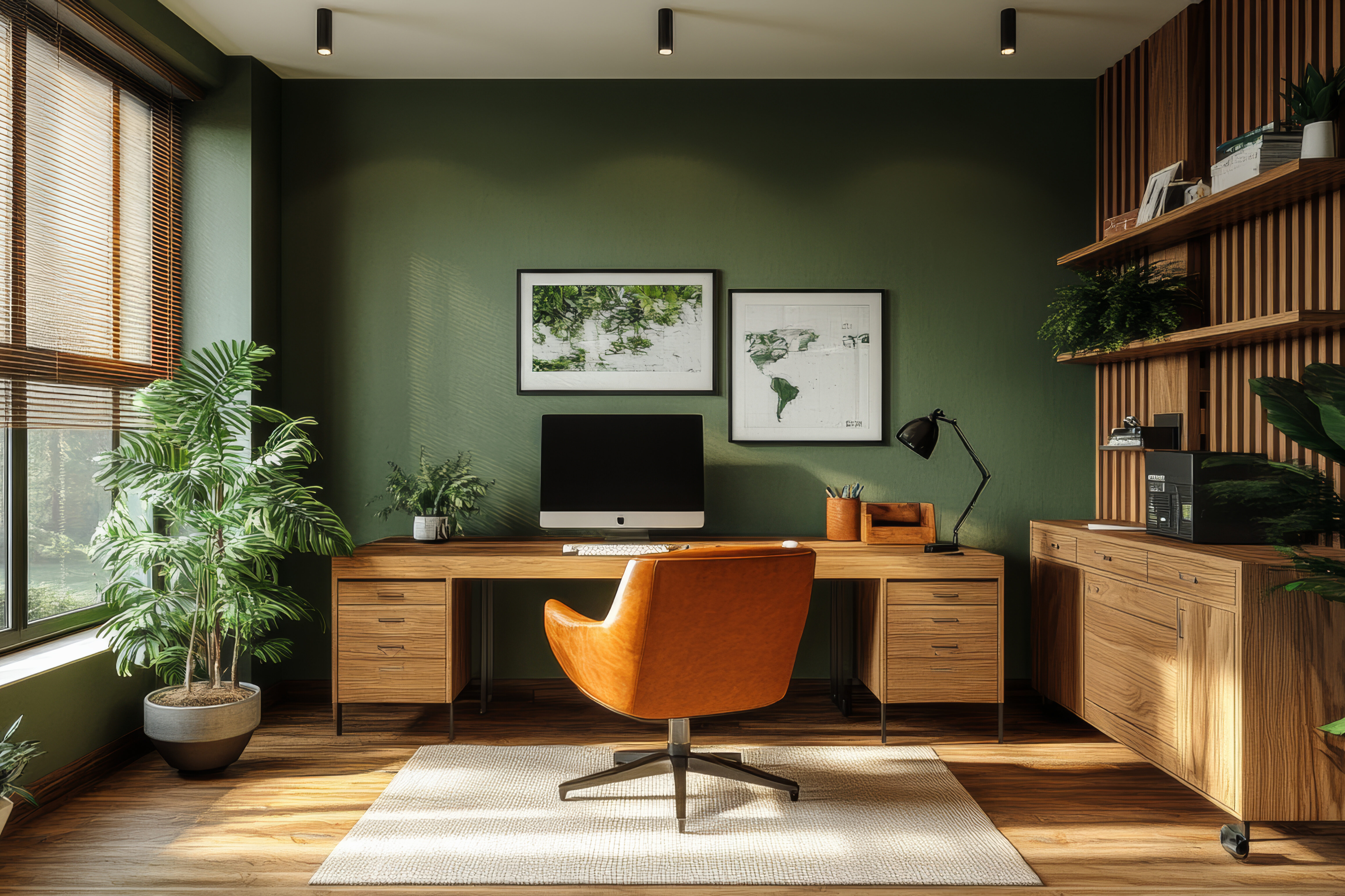
A Home Rooted in Wellness and Comfort
One of the reasons biophilic and nature inspired design continues to resonate is because it focuses on how a home feels, not just how it looks. More homeowners are seeking spaces that offer comfort, calm, and a sense of balance after the demands of everyday life. A thoughtfully designed room can help reduce stress, lift mood, and create a more welcoming environment for both family and guests. This style encourages people to view the home as a place of restoration rather than simply a place to pass through. Even small changes can begin shifting the atmosphere in a meaningful way.
Creating this feeling often starts with removing visual clutter and making room for ease. Open surfaces, intentional décor choices, and furniture layouts that allow for natural movement can instantly make a space feel lighter. Choosing pieces that feel comfortable and inviting over items that are purely decorative also helps support the purpose of the room. Soft textiles, layered lighting, and calming colors all contribute to a more restful setting. When a room functions well, it naturally feels better to spend time in.
This design style is also highly adaptable, which makes it approachable for nearly any home. Whether your space leans modern, traditional, rustic, or transitional, the focus remains the same. Prioritizing comfort, connection, and everyday livability allows the design to feel personal rather than forced. It is not about following strict rules or achieving perfection. It is about creating a home that supports the way you want to live.
Natural Materials That Add Warmth and Character
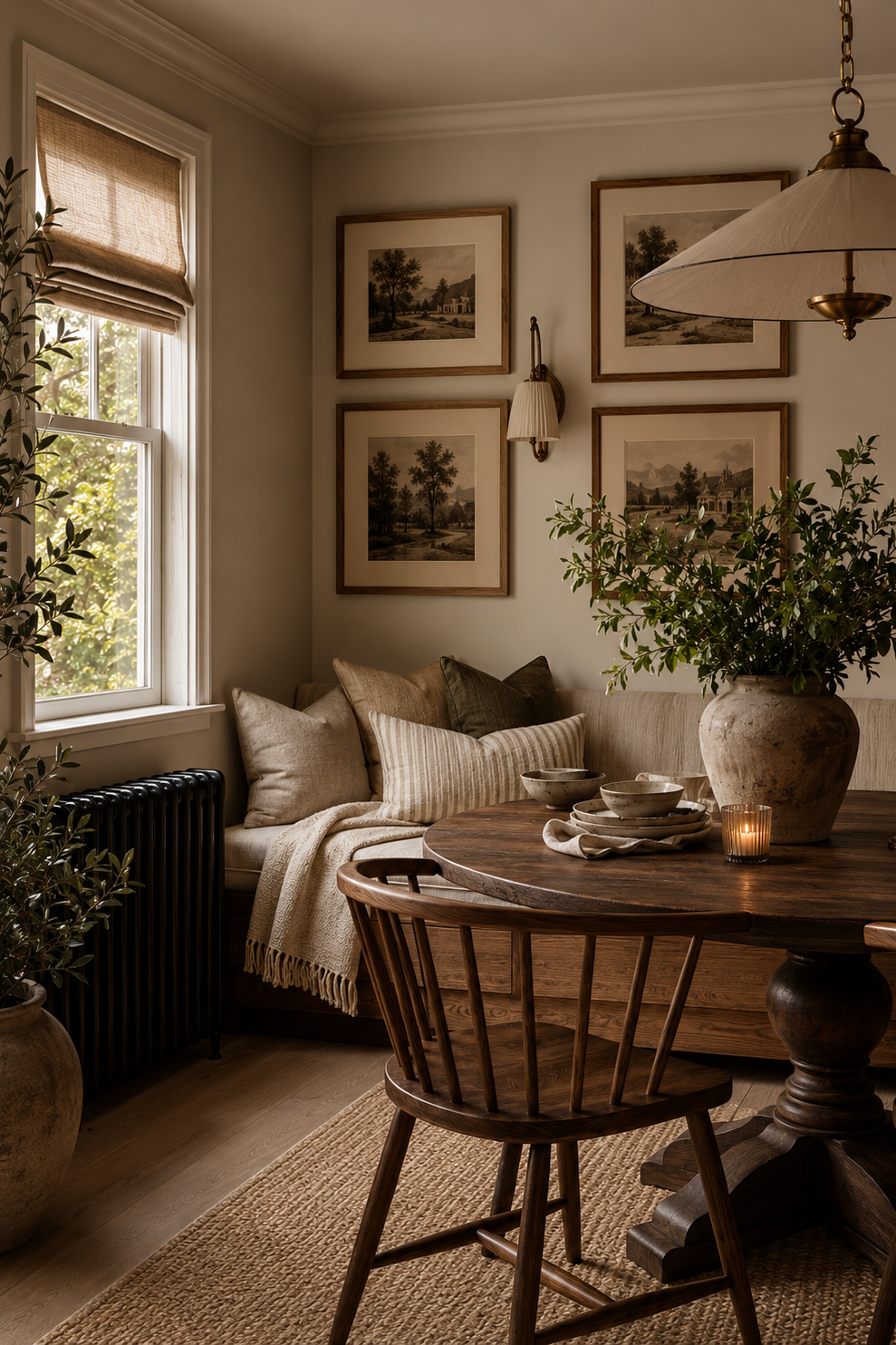
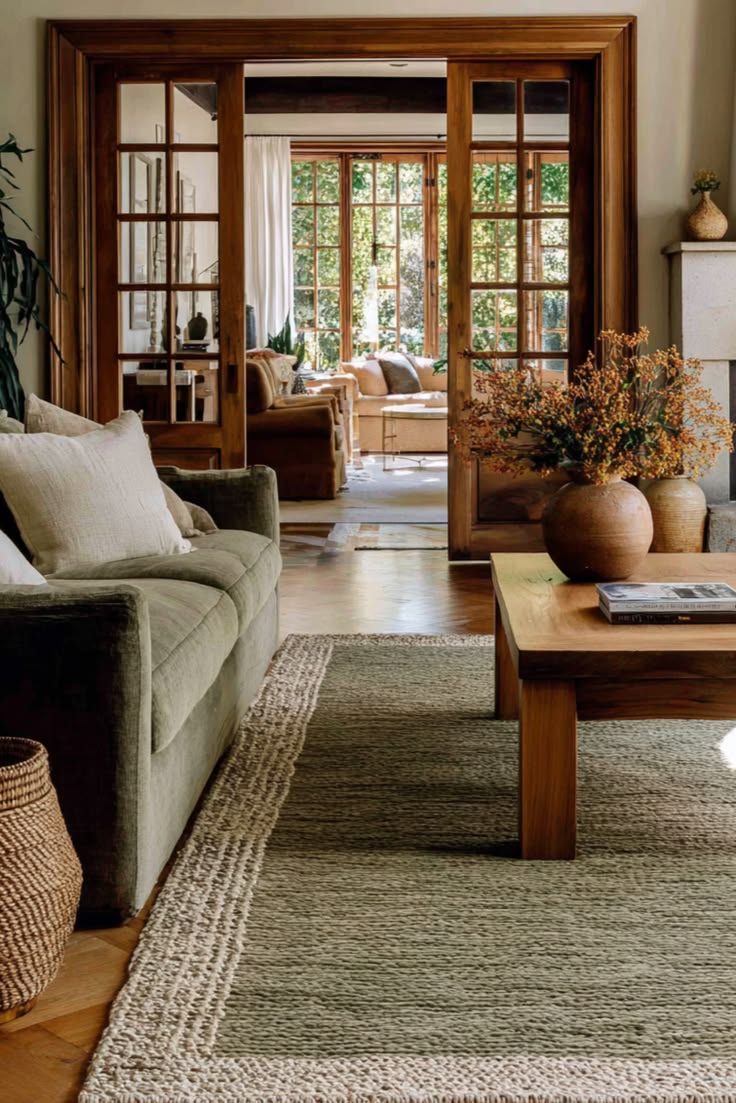
At the heart of this design style is a strong appreciation for natural materials that bring texture and authenticity into the home. Wood, stone, linen, cotton, jute, and woven fibers all help create spaces that feel warm and lived in. These materials offer subtle variation in grain, tone, and texture, which adds depth in a way that feels effortless. Unlike overly polished finishes, natural surfaces often become more beautiful with age and use. That sense of character is what makes them feel timeless.
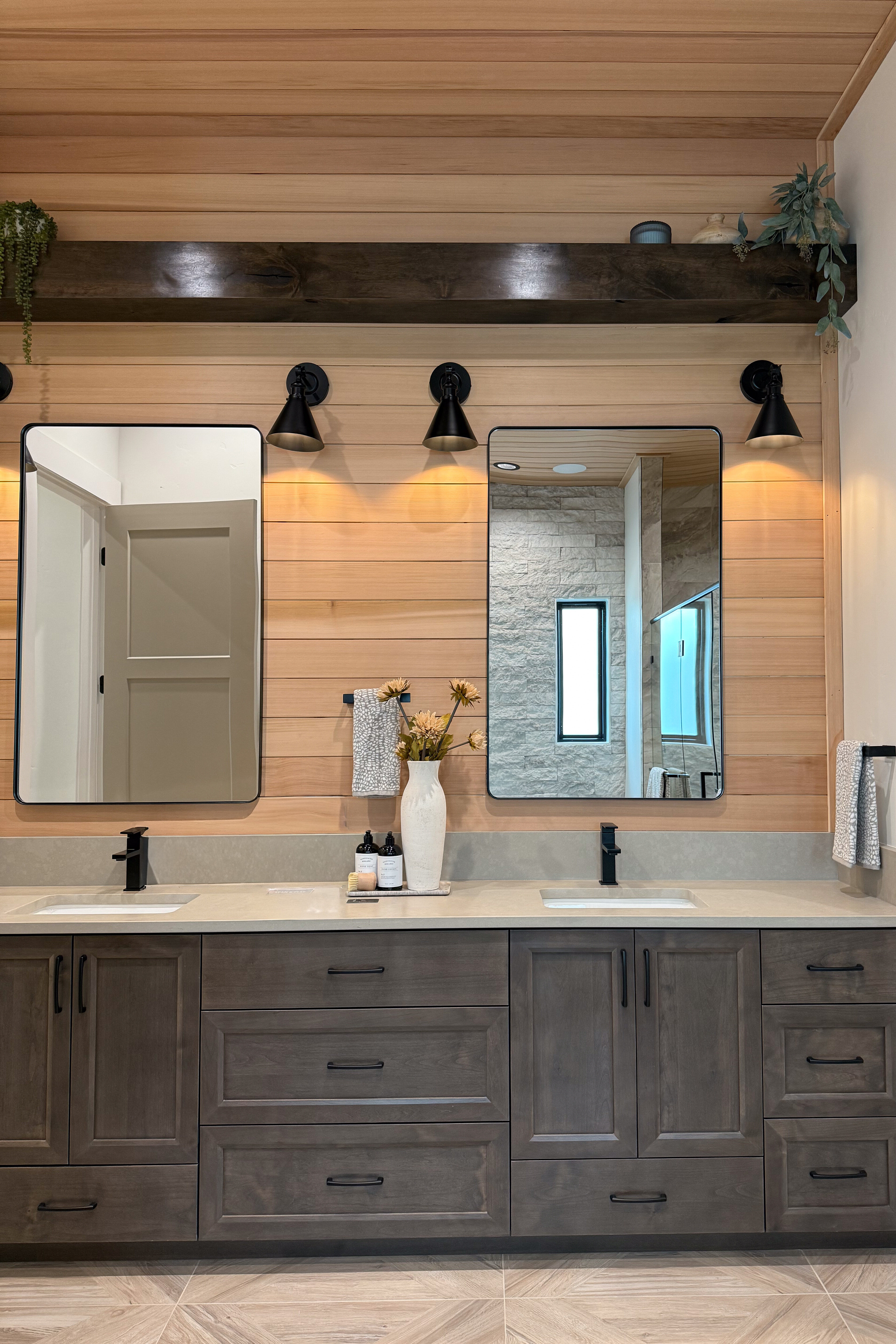
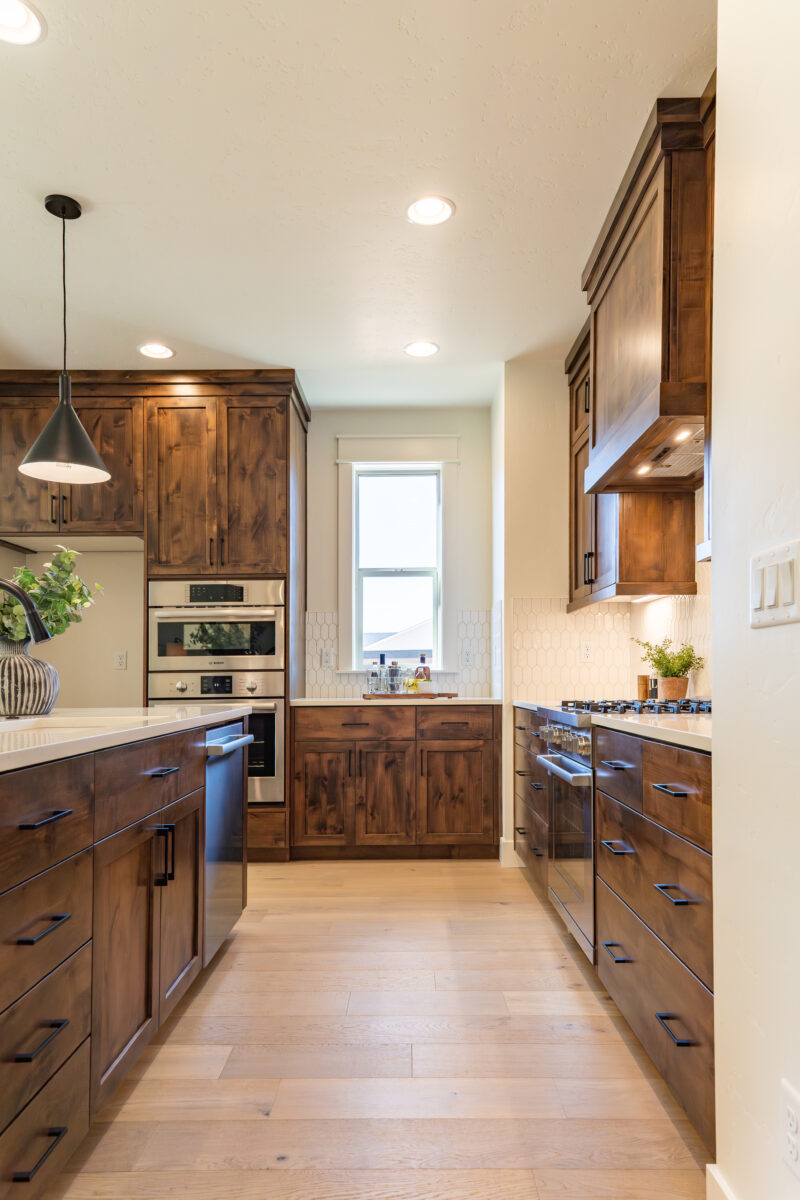
Incorporating these materials can be simpler than many people expect. A wood dining table, stone countertop, woven area rug, or linen drapery panel can immediately soften the feel of a room. Even smaller accents, such as baskets, pottery, or natural wood frames, can add warmth without requiring a full redesign. For homeowners looking to make a larger statement, wood wall paneling, shiplap details, or slatted accent walls can introduce beautiful architectural texture. Fluted or reeded moulding can also bring subtle dimension and a refined organic feel, adding visual interest while maintaining a natural aesthetic. For a cleaner look, flush panel doors in oak, birch, or lauan finishes offer a simple way to carry natural wood tones throughout the home while maintaining understated style. For those who prefer more character, the 4831 door style, a three-panel round top design available in a variety of wood species, can beautifully complete the look. Our favorite is knotty alder for its warmth and natural texture. What would be yours?
The goal is not to match every finish perfectly, but to layer materials in a balanced way. Mixing wood tones with stone or pairing soft fabrics with textured surfaces creates a more natural and collected feel. Rooms often feel more inviting when there is a blend of smooth and tactile elements. This variety helps prevent a space from feeling flat or overly staged. Over time, the home begins to feel richer, warmer, and more personal.
Check out our blog, How to Introduce Wood Elements Into Your Home for more inspiration on bringing natural warmth into your home.
Light, Organic Shapes, and the Feeling of Flow
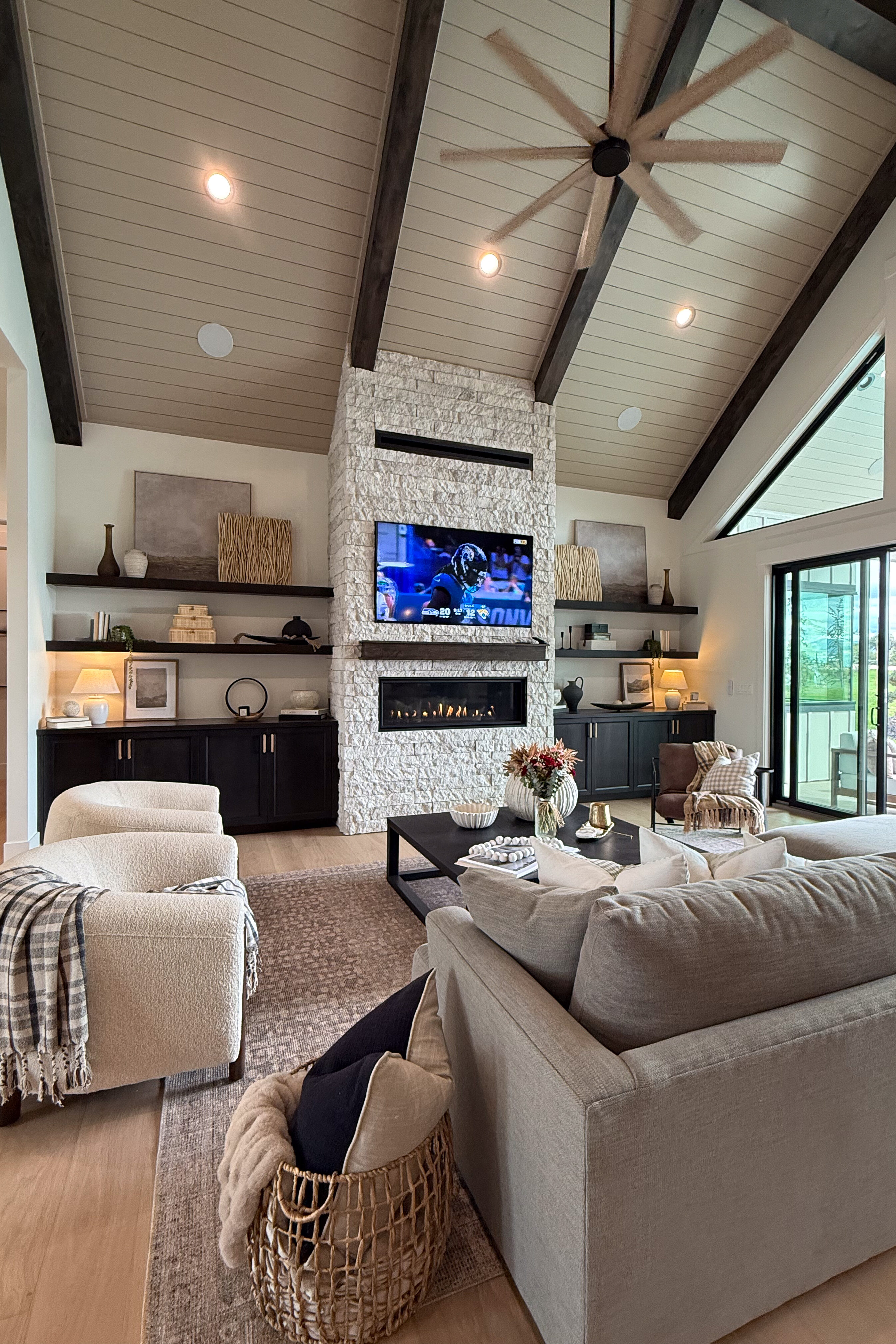
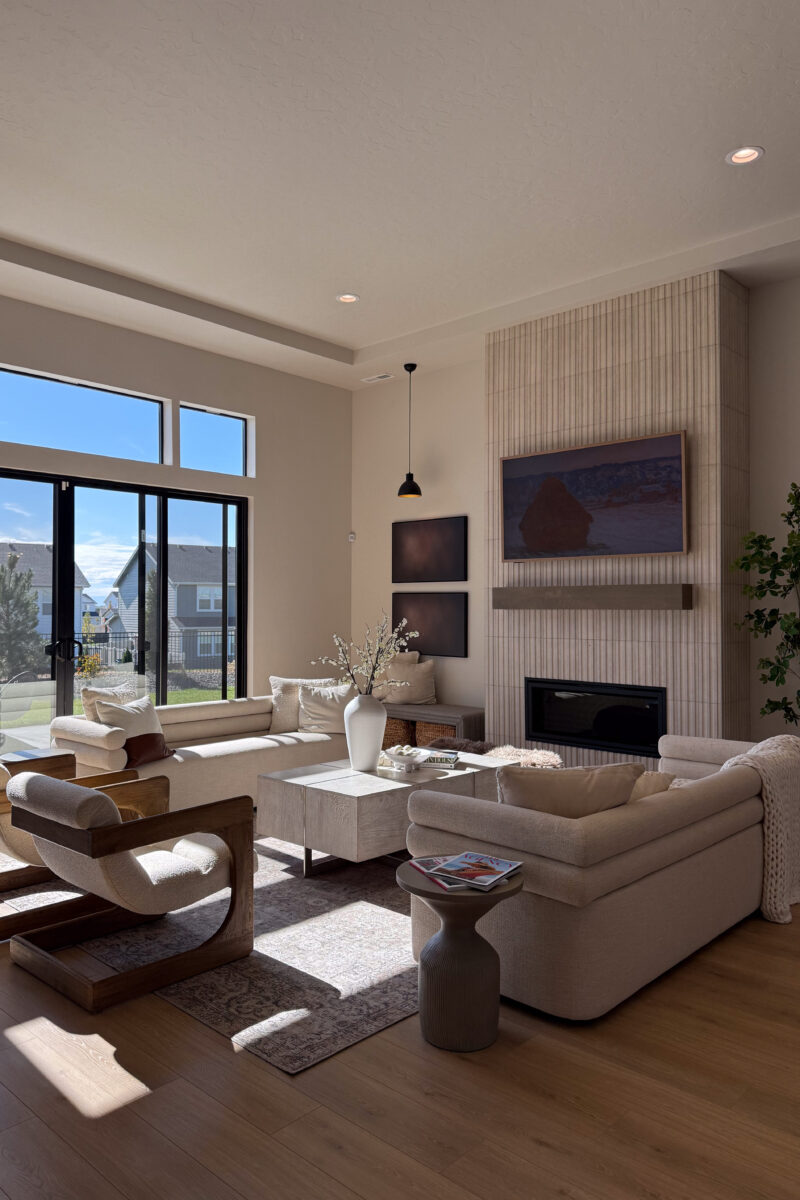
Natural light plays an essential role in creating a home that feels connected to nature. Sunlight adds warmth, highlights textures, and brings a sense of movement that changes throughout the day. Rooms with generous light often feel larger, fresher, and more uplifting to spend time in. While large windows are ideal, even smaller spaces can benefit from thoughtful design choices that maximize brightness. Mirrors, lighter finishes, and open sightlines can all help reflect and carry light throughout the home.
Flow is equally important when designing a peaceful interior. Spaces that feel easy to move through tend to feel calmer and more welcoming. Rearranging furniture to create clear walking paths or reducing bulky pieces can instantly improve how a room functions. Wider door openings or interior doors with glass panels can help maintain separation while still allowing light to pass between rooms. These details help the home feel connected rather than closed off. Organic shapes can further soften the overall atmosphere. Nature rarely appears in rigid straight lines, so curved furniture, round mirrors, arched openings, and gentle silhouettes often feel especially comfortable. Introducing even one or two rounded pieces can balance a room filled with square edges. This contrast creates a softer visual rhythm that feels relaxed and approachable. The result is a home that feels easy to live in and pleasant to move through.

Earthy Color, Botanical Touches, and Lasting Versatility
Nature inspired color palettes are often some of the easiest to live with because they feel warm, calming, and timeless. Soft greens, warm neutrals, sandy beiges, muted blues, and clay tones create a relaxed foundation throughout the home. These shades bring comfort without overwhelming the space and pair beautifully with wood, stone, and woven textures. Whether used on walls, furniture, or smaller accents, they help rooms feel balanced and inviting. It is a simple way to create a home that feels connected and cohesive. Once that color foundation is in place, botanical touches can add life and softness to the room. Indoor plants, fresh branches, dried stems, or floral arrangements are easy ways to bring the outdoors in. If you prefer something lower maintenance, nature inspired artwork or patterned fabrics can create a similar feeling. These details help a space feel fresh, welcoming, and lived in. Even one small natural element can make a noticeable difference.
One of the best parts of this design style is how versatile it can be. It can be introduced slowly through paint, décor, and accessories or embraced more fully through finishes and larger design updates. Whether your home is modern, traditional, rustic, or somewhere in between, nature inspired details can fit in beautifully. Because it focuses on comfort and timeless appeal, it rarely feels outdated. It is a style that grows naturally with your home over time.
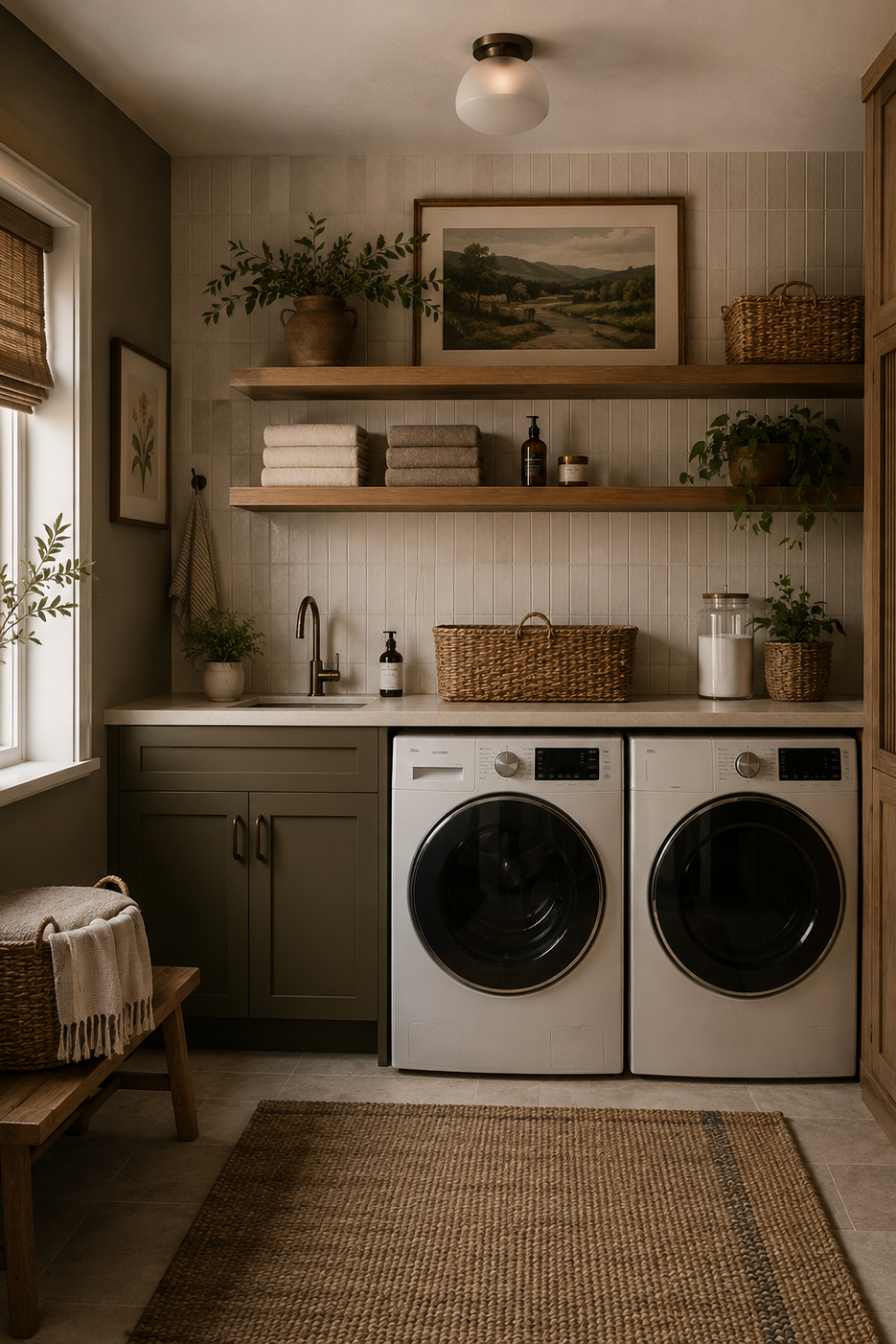
At its core, biophilic and nature-inspired design is about creating a home that feels as good as it looks. Through natural materials, light-filled spaces, organic shapes, earthy color palettes, and thoughtful architectural details, this approach transforms everyday interiors into places that feel calm, welcoming, and deeply connected to the natural world. Its lasting appeal comes from the way it supports how people want to live today. Spaces that reduce stress, encourage comfort, and bring a sense of balance into the home will always feel relevant. Whether introduced through richly grained wood, statement stone, indoor greenery, or subtle nature-inspired accents, these elements can be tailored to fit nearly any design style.
Looking to bring more of this feeling into your own home? Follow along on our social media for more interior inspiration, design ideas, and ways to incorporate timeless trends into everyday spaces. We would also love to hear from you. What natural element would you be most excited to bring into your home, more light, warmer textures, greenery, or something else entirely?
Check out our Pinterest Board for more inspirational designs and make sure to follow us on all of our social media platforms @WeAreWoodgrain