
Sculptural and Organic Forms In Interior Design
The spaces we connect with most often are rarely defined by a single piece of furniture or one standout design choice. Instead, they are shaped by the feeling they create when we walk through them. Some spaces feel calm and welcoming, while others feel warm, layered, and naturally lived in. Often, those feelings come from the details working quietly together in the background.
Sculptural and organic forms embrace softer silhouettes, flowing lines, and thoughtful details that create movement throughout a home. From rounded furniture and arched elements to textured materials and handcrafted accents, these forms help spaces feel less rigid and more connected. Rather than relying on bold statements alone, this design approach focuses on creating balance and bringing personality into everyday spaces.
One of the reasons sculptural and organic design resonates with so many homeowners is its flexibility. These elements can be introduced through subtle details or become a defining feature throughout the home. Whether incorporated into a modern space, a traditional setting, or a nature-inspired interior, sculptural forms create visual flow while encouraging a more comfortable and inviting living experience. Here are a few ways sculptural and organic design can be thoughtfully incorporated throughout the home.
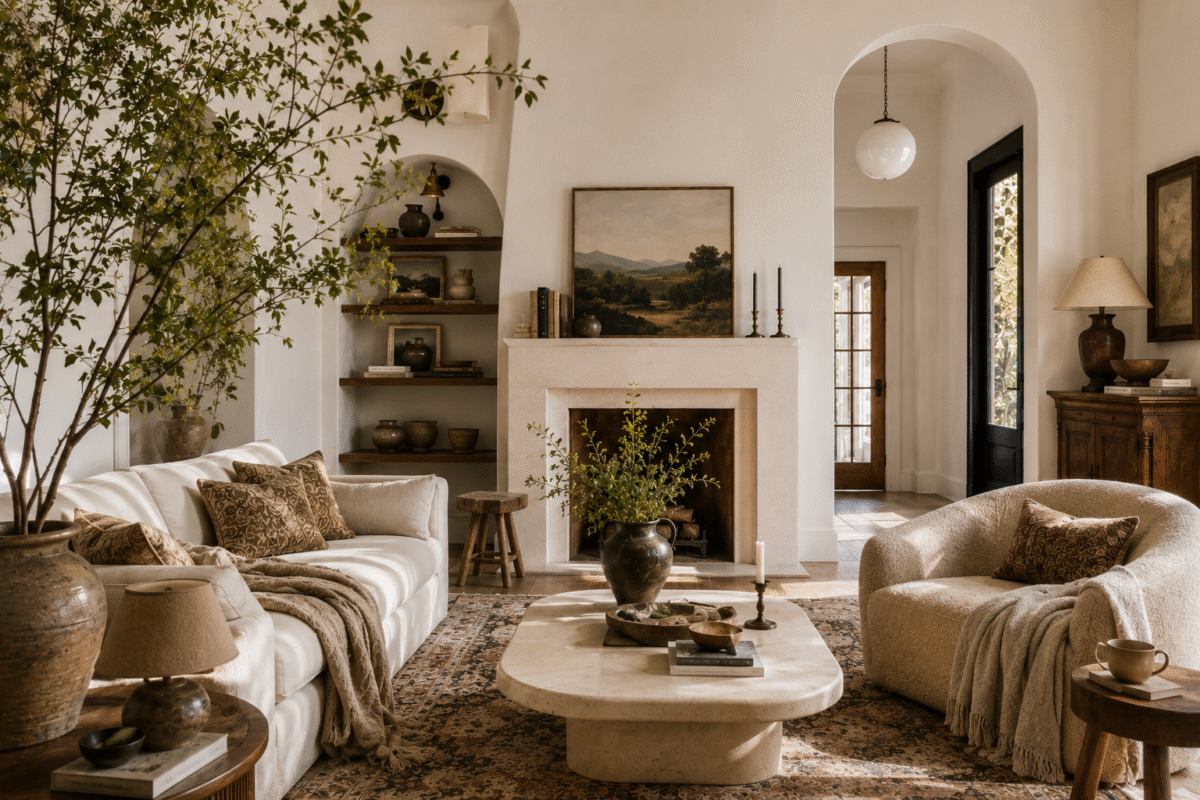
Introduce Curves Through Furniture and Statement Pieces
Our homes often become a reflection of how we want to feel. While sharp lines and structured furniture can create a clean and polished look, softer shapes tend to feel naturally welcoming. Rounded forms bring a sense of ease into a space, creating an atmosphere that encourages people to settle in, gather, and relax. There is something comforting about furniture and décor that feels less rigid and more fluid, almost as if the room itself is inviting you to stay a little longer.
Curved forms can introduce movement into a room. Rather than directing the eye from one hard edge to the next, softer silhouettes create a more natural visual path. In many spaces, this feeling can come from subtle details rather than large statement pieces. Rounded mirrors, curved furniture edges, sculptural lighting, or furniture featuring circular cutout details can quietly add visual interest while softening the overall feel of a room.
The beauty of this approach is that it does not require a complete redesign. Sculptural forms can be introduced through smaller moments layered throughout a space. An organically shaped console table, softly rounded seating, textured décor, or architectural elements like arches can create a feeling of movement without overwhelming the room. These pieces work together to create spaces that feel collected and comfortable rather than overly structured.
While furniture often becomes the first thing people notice, smaller design details help support the overall experience of a room. Pairing sculptural shapes with clean interior elements creates balance and allows softer forms to stand out naturally without competing for attention.
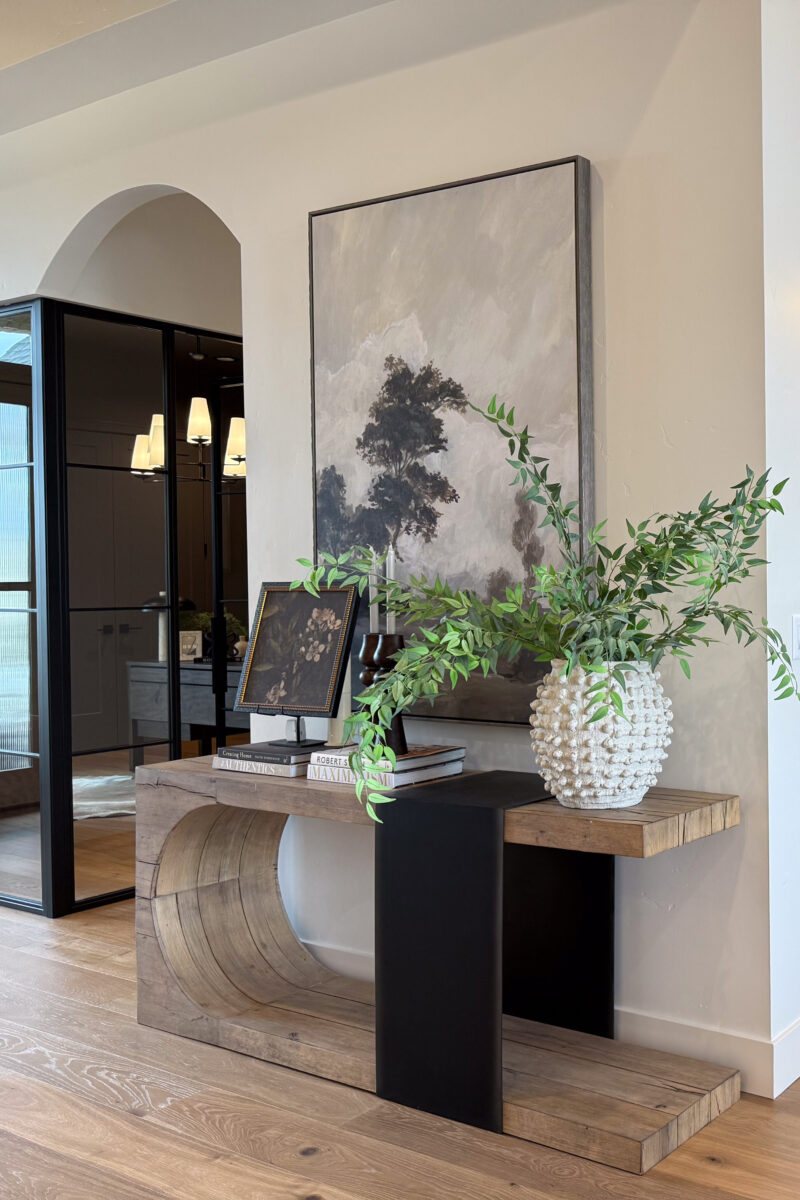
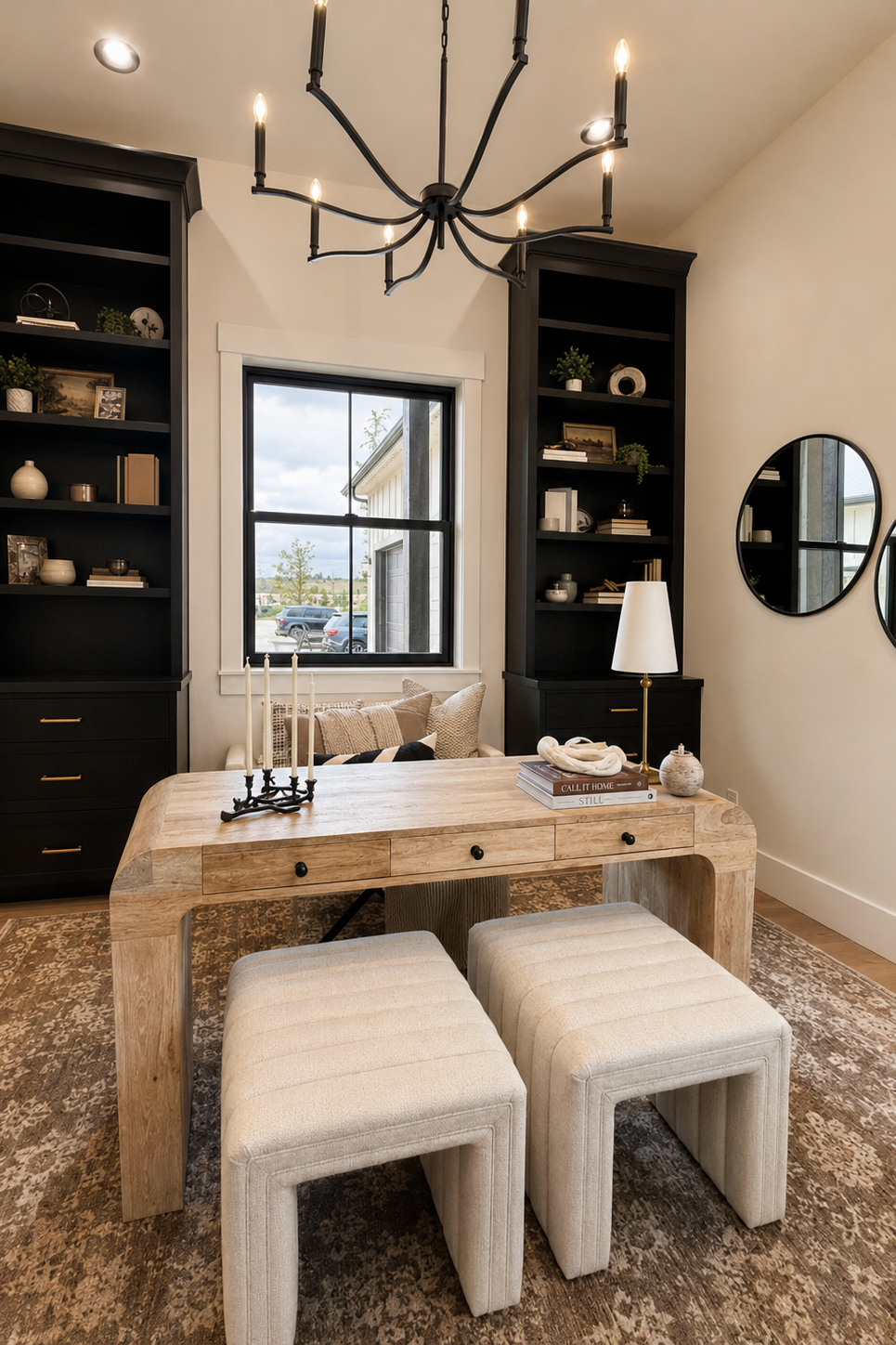
Incorporate Architectural Elements That Add Flow
Some details in a home are noticed immediately, while others quietly shape the feeling of a space over time. Architectural elements often fall into that second category. They influence the way a home feels and functions, creating subtle moments of movement and connection as we move from one room to the next.
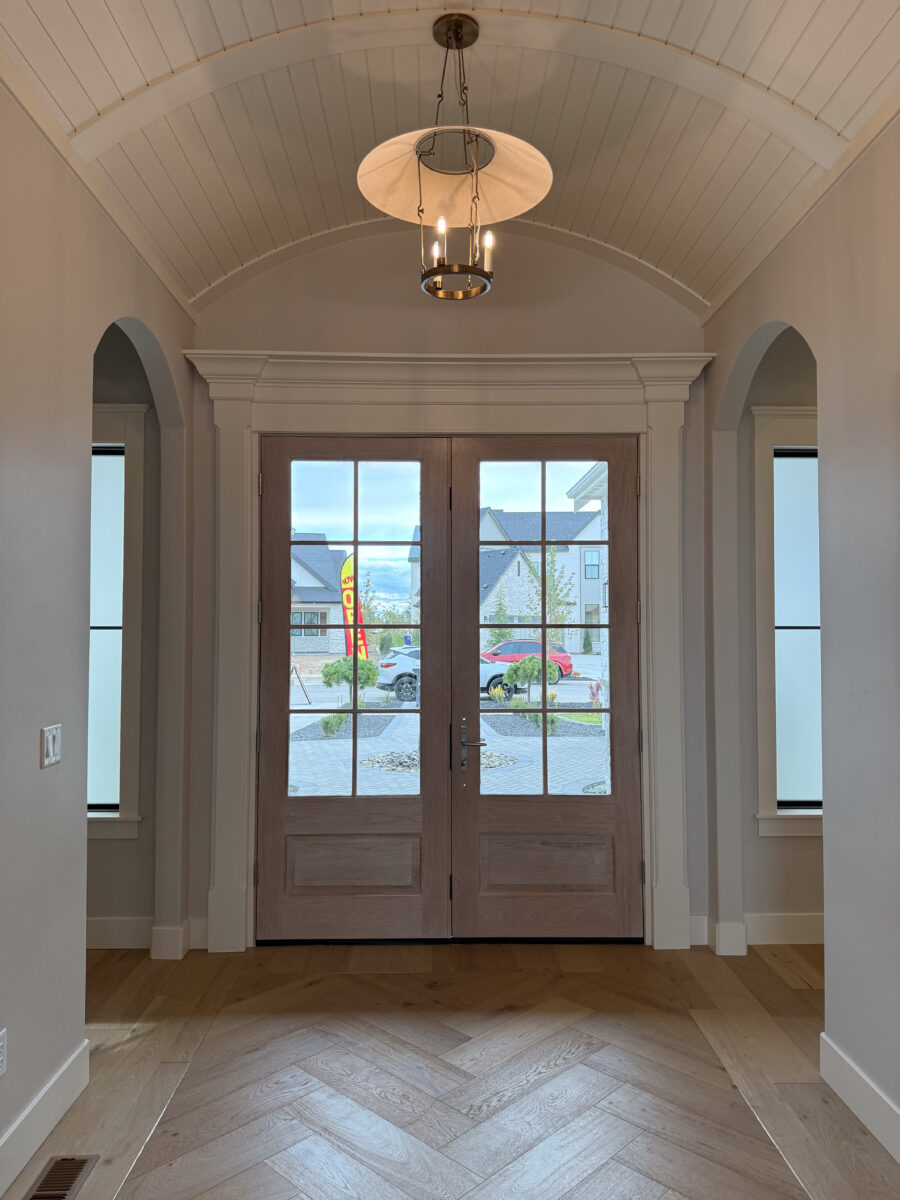
Features like arched openings, curved transitions, and thoughtful detailing can soften a space while creating a natural sense of rhythm throughout the home. Unlike décor that may change over time, architectural details often become part of a home’s lasting character. An arched doorway can introduce a feeling of movement, while smaller details woven throughout a space can gently guide the eye and create a sense of balance.
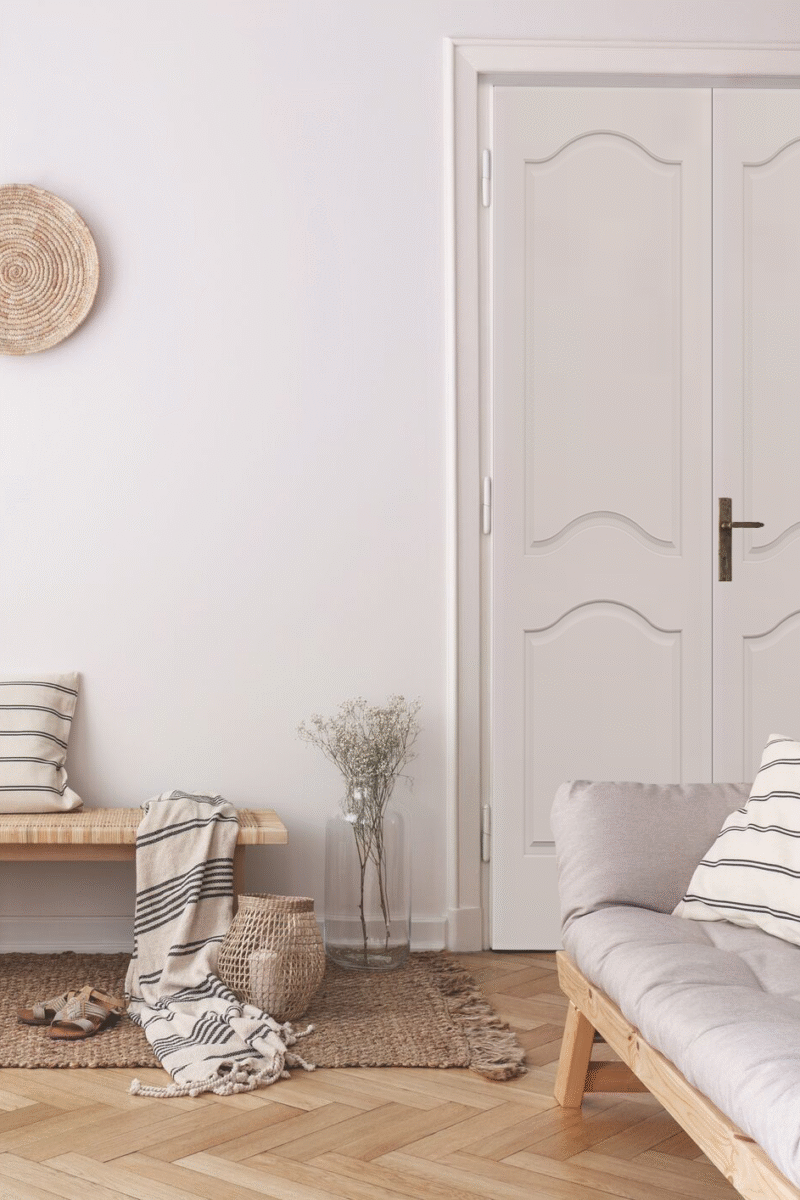
Creating this feeling does not always require moving walls or taking on a large renovation project. Sometimes the personality of a room is found in the details that frame it. Interior doors with subtle curves, rounded panel details, or decorative router carved designs can introduce visual movement while becoming part of the home’s overall story. Decorative router carved styles such as 5716 and 5876 can bring in gentle movement through their panel detailing while maintaining a clean and modern feel. For a more architectural influence, two-panel round-top designs like 5570 and 5732 can echo the softness of an arched opening without overwhelming the space, making them feel especially at home within Organic Modern, Modern Heritage, or nature-inspired interiors.
Looking for additional inspiration? Explore our Elevated Door Styles for more ideas on incorporating thoughtful door details throughout the home.
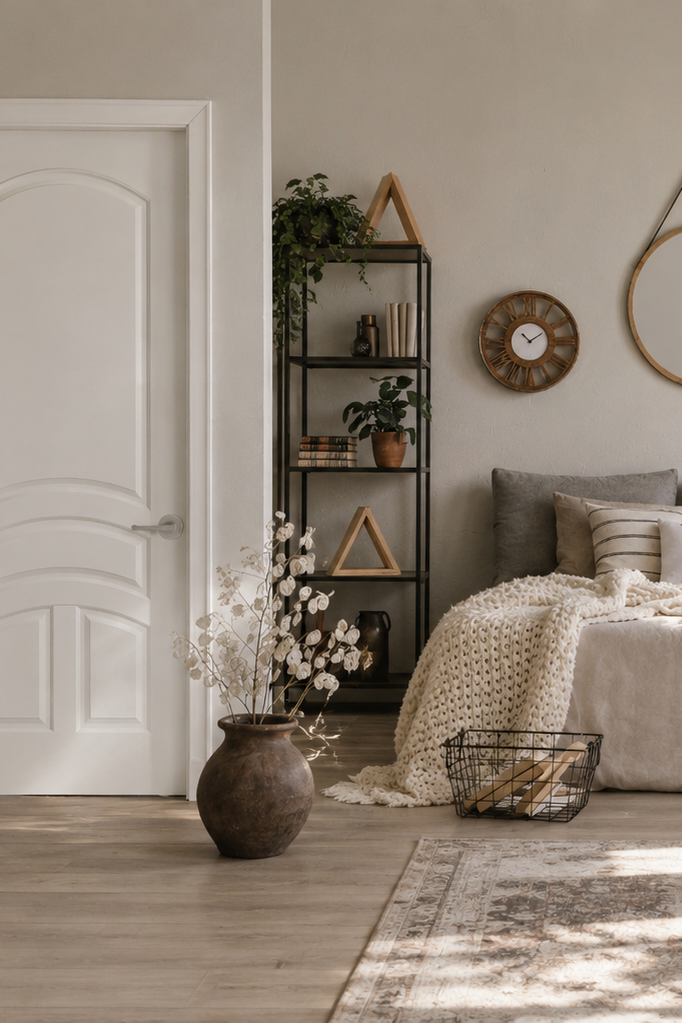
Balance Soft Shapes with Natural Materials
While shape and structure help define the feeling of a space, the materials surrounding them often bring those details to life. Natural textures and finishes can soften sculptural elements, adding warmth and creating a sense of balance throughout the home. Wood grains, stone surfaces, woven textures, and handcrafted finishes often bring a sense of familiarity into a home that feels comfortable and easy to connect with. These materials can make spaces feel grounded and authentic, adding character in a way that often feels effortless.
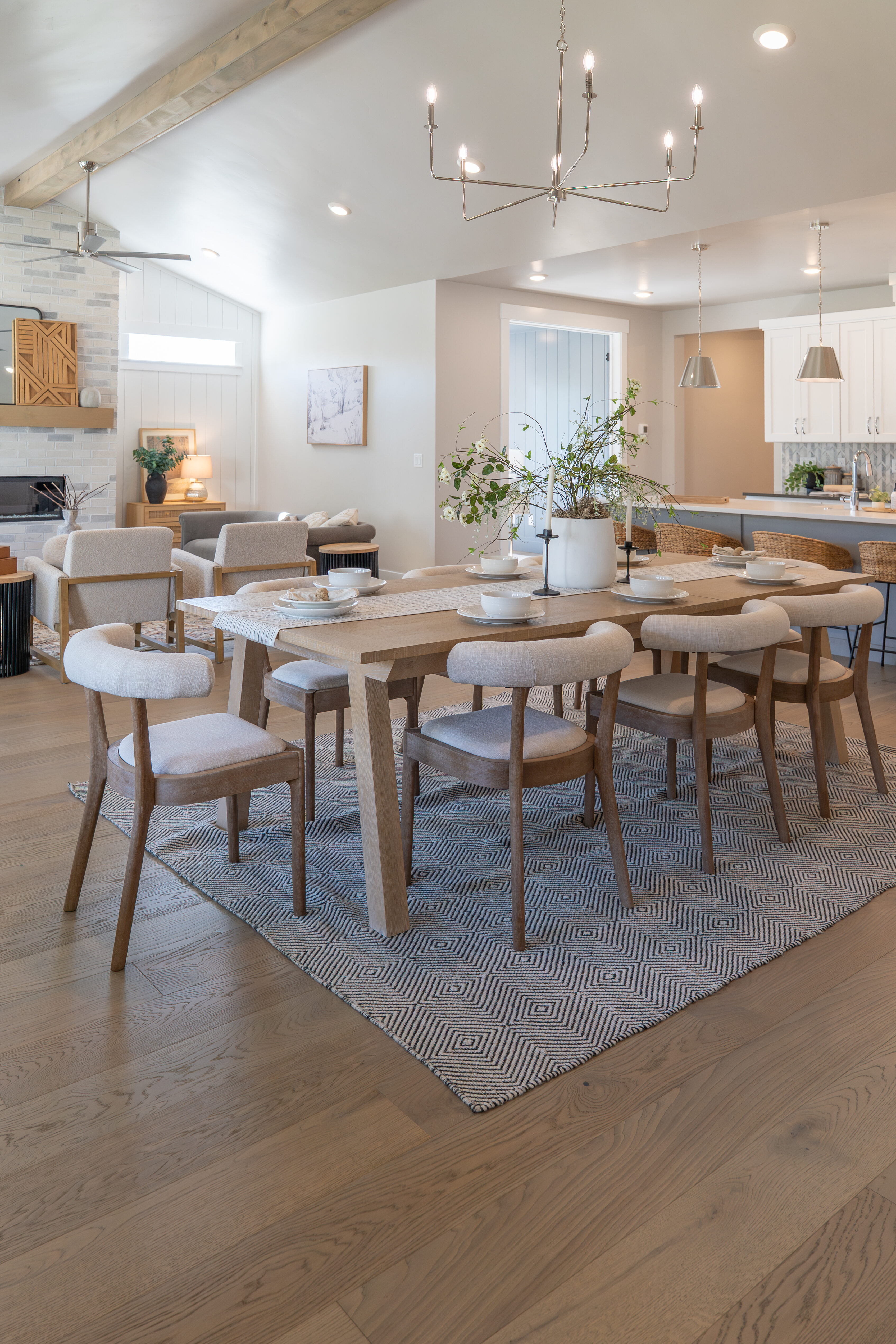
When paired with sculptural and organic forms, natural materials create balance. Soft shapes introduce movement and visual interest, while natural textures help anchor a space and prevent it from feeling overly polished. Together, they create interiors that feel layered and inviting while allowing each element to complement the next. Bringing this feeling into the home does not always require dramatic changes. A woven area rug, textured linen drapery, ceramic accents, or natural wood finishes can all contribute to a softer atmosphere. Layering these materials throughout a room can help spaces feel collected naturally over time rather than designed all at once.
Natural materials also have a way of creating a deeper connection within a home. They often remind us of places, experiences, and moments outside our walls, whether it is the warmth of wood, the texture of stone, or the familiarity of handmade details. Often, these quieter elements become the details that continue shaping how a space feels long after the design process is complete.
How Small Details Shape a Space
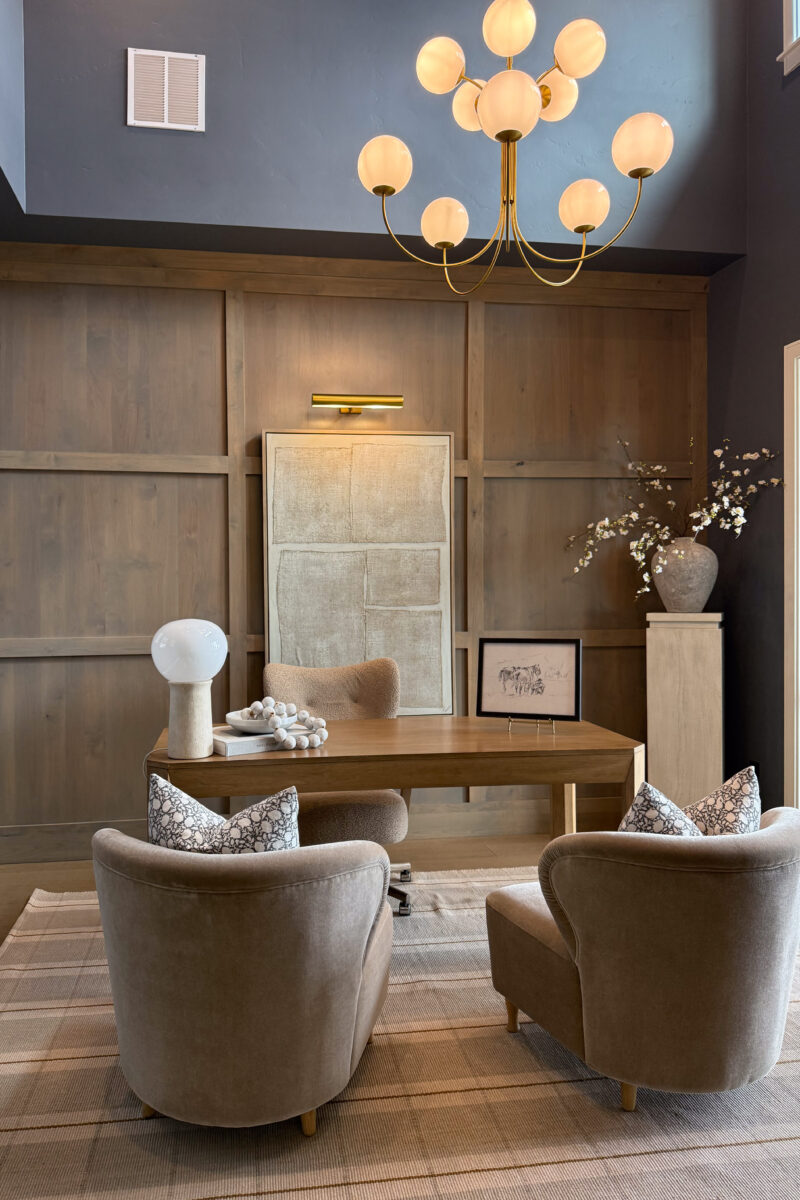
As the layers of a home begin coming together, the smallest details often become the ones that shape how a space ultimately feels. Architectural treatments, wall details, and thoughtful design accents can introduce personality while helping a space feel more complete and connected. Creating that feeling does not mean every element needs to compete for attention. In many cases, the most inviting spaces are built through subtle layers that quietly work together. Dimensional wall applications, geometric paneling, circular accents, and architectural details can create movement and visual interest while adding depth throughout a space. These details allow sculptural forms to become part of the home itself rather than simply decorative additions.
The beauty of layering is that it leaves room for curiosity and personal expression. Spaces often feel most natural when they combine clean structure with softer elements, whether through curved architectural details, textured materials, or thoughtful accents collected over time. Over time, these layers become more than design choices. They create spaces that feel personal, comfortable, and reflective of the people living within them.
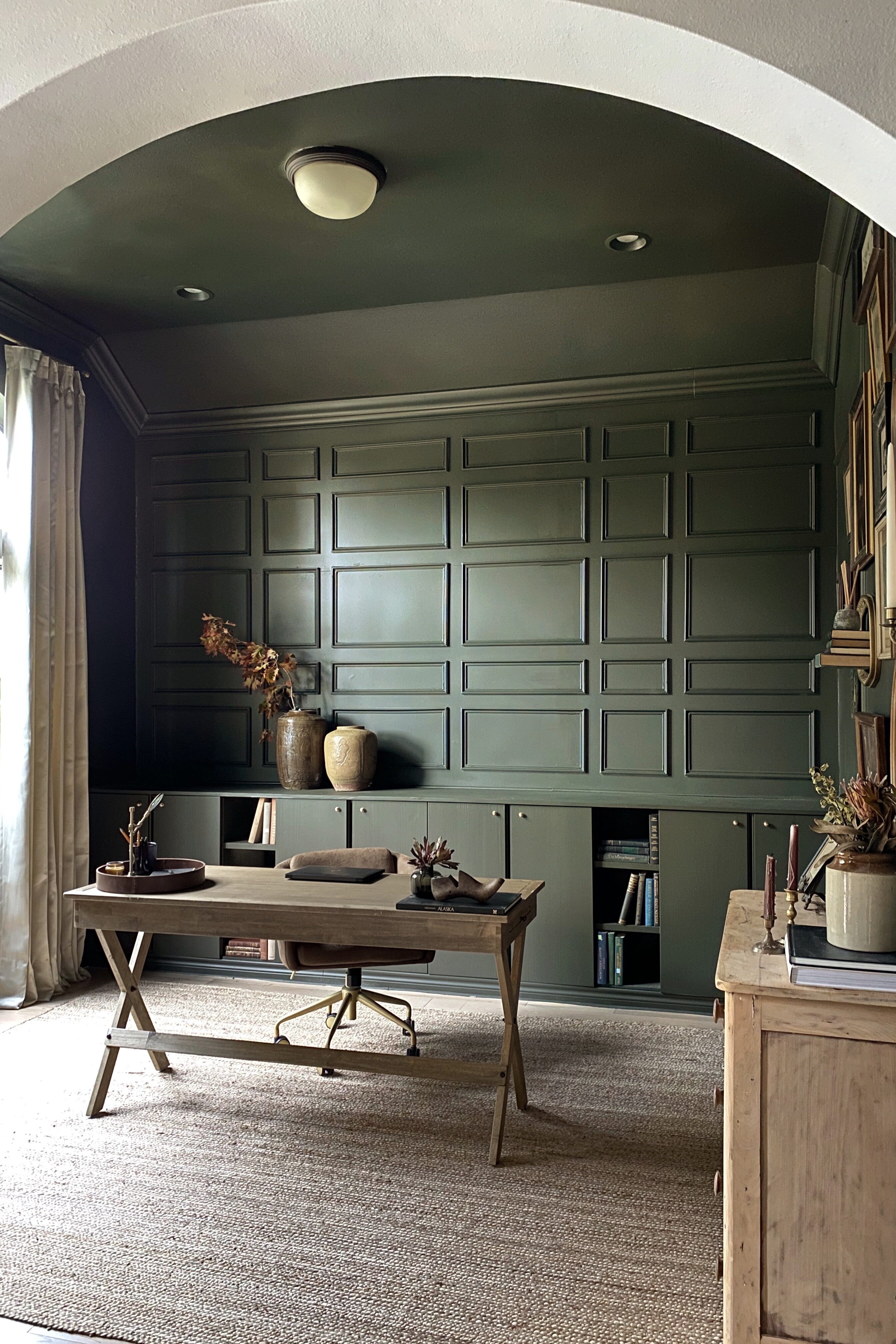
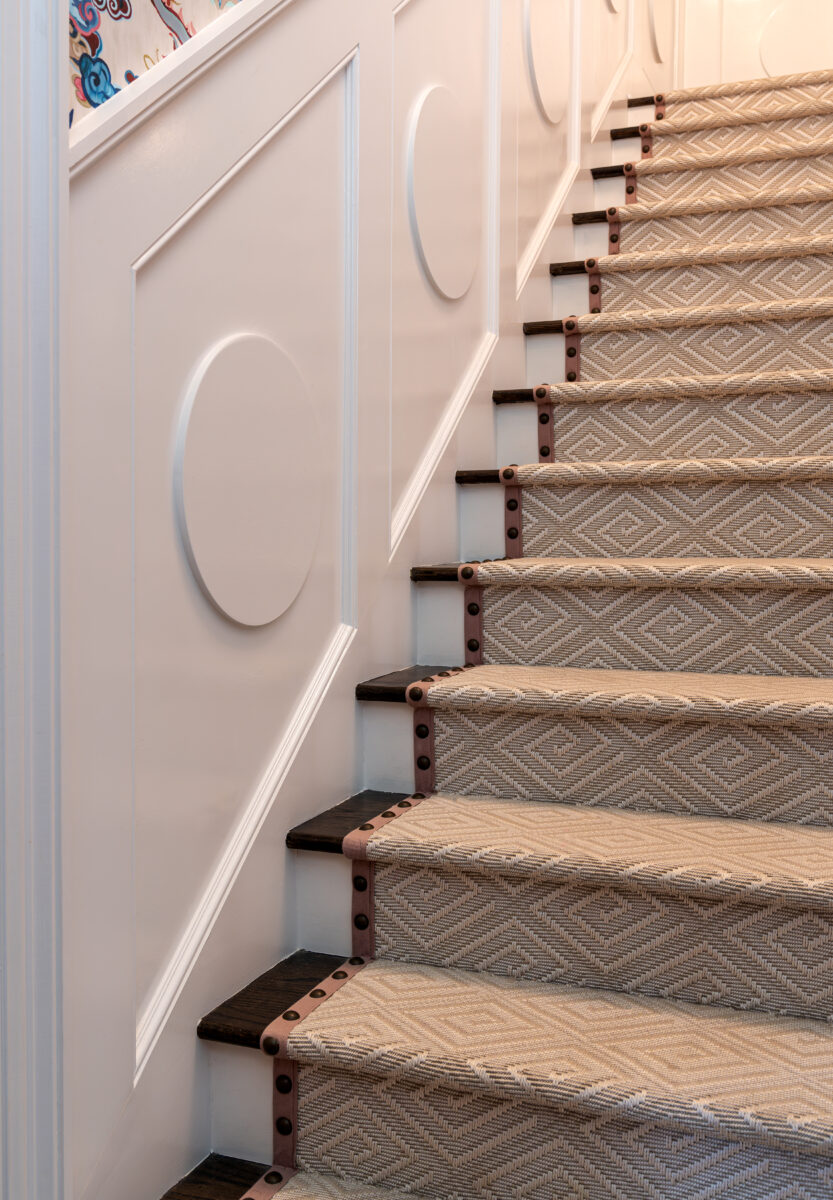
Great design is rarely about following a single style or creating a perfectly coordinated room. More often, it comes from thoughtfully layering details that work together to create spaces that feel comfortable, welcoming, and uniquely your own. Sculptural and organic forms create opportunities to bring personality and movement into everyday spaces. Whether introduced through furniture, architectural elements, natural materials, or dimensional details, these elements work together to create homes that feel balanced, welcoming, and connected. Over time, the quieter details and collected layers often begin telling the strongest story.
The spaces we connect with most are usually shaped through thoughtful details added gradually over time, creating homes that feel authentic, lived in, and reflective of the people within them. These collected moments and personal touches are what transform a house into a space that feels uniquely your own.
If you were bringing sculptural and organic design into your home, where would you start? Would it be through curved furniture, architectural details, natural textures, or layered design elements? Share your thoughts and inspiration with us on social media. We would love to hear what speaks to you.
Check out our Pinterest Board for more inspirational designs and make sure to follow us on all of our social media platforms @WeAreWoodgrain