
The Enduring Beauty of Traditional Interior Design
In a world where modern minimalism and contemporary aesthetics often take center stage, traditional interior design stands as a testament to timeless beauty, elegance, and comfort. Rooted in history, this design style draws inspiration from the classical European and American homes of the 18th and 19th centuries, embracing rich textures, ornate details, and a sense of warmth that makes a space feel inviting and refined. Whether it’s the intricate woodwork, luxurious fabrics, or antique-inspired furnishings, traditional design tells a story—one of sophistication, heritage, and a deep appreciation for craftsmanship. But what exactly makes a space traditionally designed? And why does this classic approach continue to captivate homeowners and designers alike? Let’s explore the charm and enduring appeal of traditional interior design.
Historical Influence and Origins
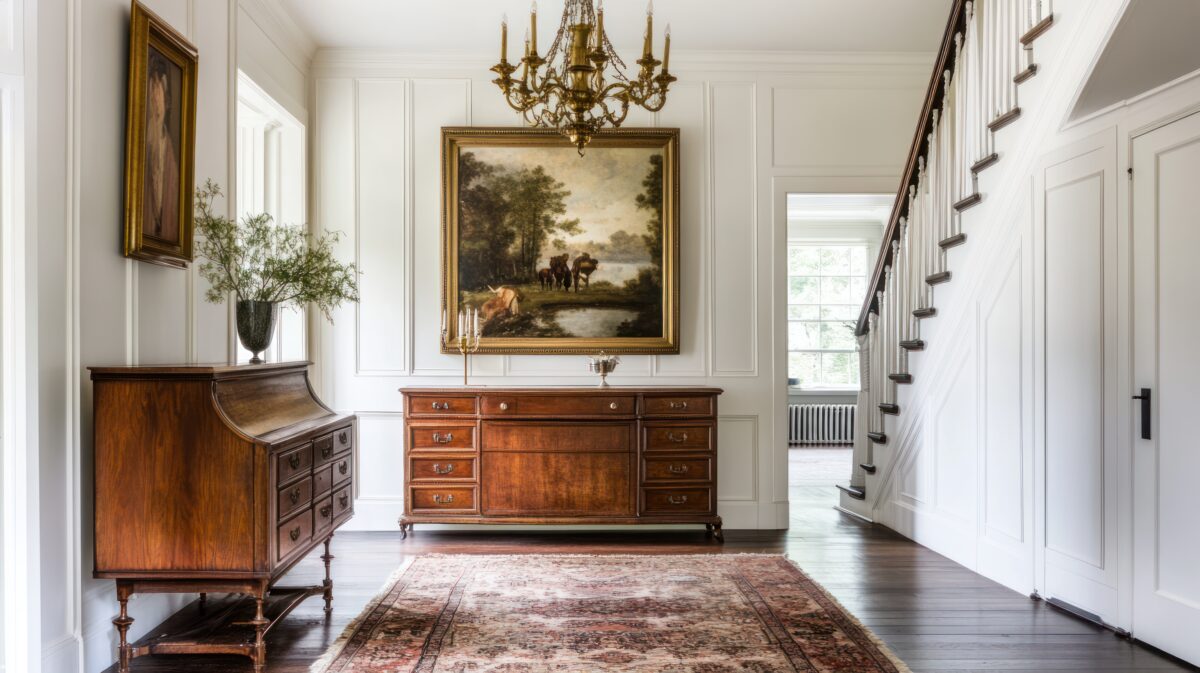
Traditional interior design is deeply rooted in history, drawing inspiration from grand European styles such as Georgian, Victorian, and Neoclassical, as well as early American Colonial influences. These styles emphasized symmetry, proportion, and rich detailing, setting the foundation for the classic interiors we associate with traditional design today. The influence of palatial European homes is evident in the use of ornate crown moldings, intricate wood paneling, and stately furniture that conveys a sense of refinement and grandeur.
In the United States, Colonial and Federal-style homes embraced these European influences but adapted them to suit more practical living spaces. Dark-stained wood floors, wainscoting, and decorative fireplaces became defining features, along with an emphasis on handcrafted furniture. The continuity of these design elements across centuries speaks to the enduring appeal of traditional interiors, which continue to offer a sense of warmth and familiarity.

Key Elements of Traditional Design
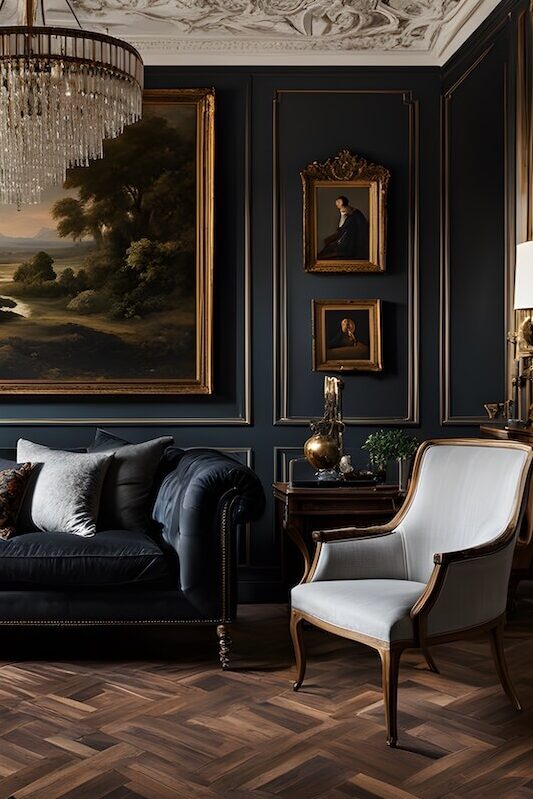
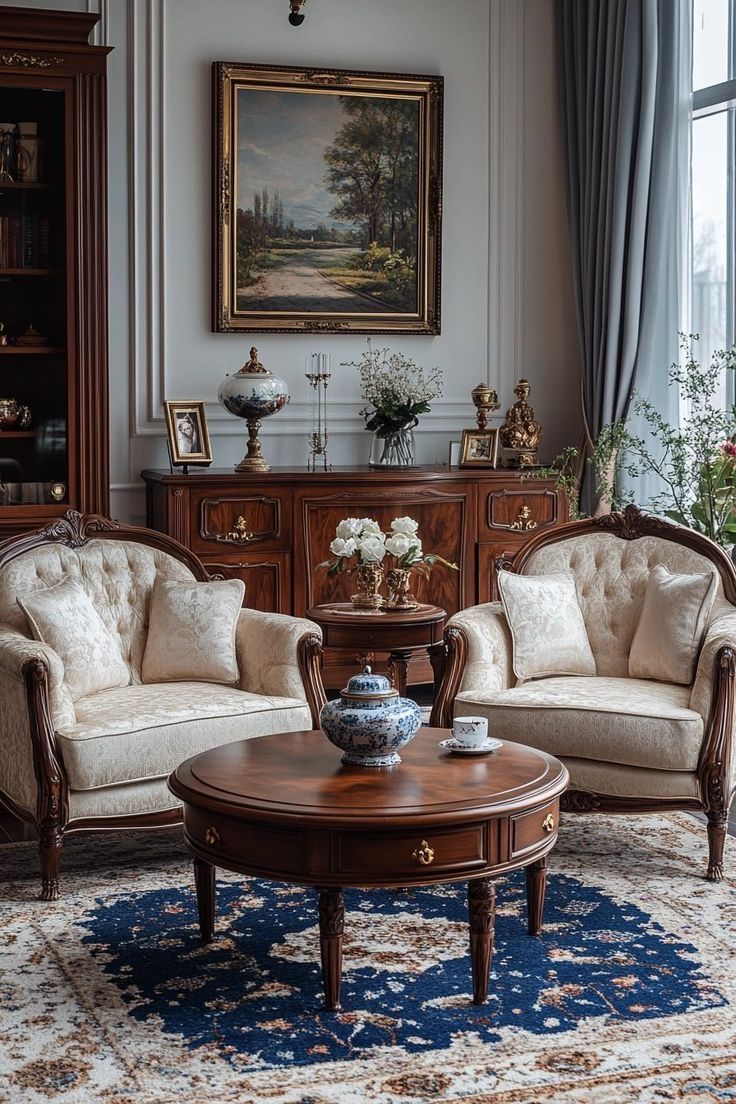
At the heart of traditional interior design lies a commitment to symmetry and balance. Rooms are often arranged around a central focal point, such as a fireplace or an ornate chandelier, ensuring a harmonious and inviting atmosphere. Classic color palettes of warm neutrals, deep blues, burgundy, and forest green provide a rich backdrop, complemented by gold or brass accents that add a touch of luxury.
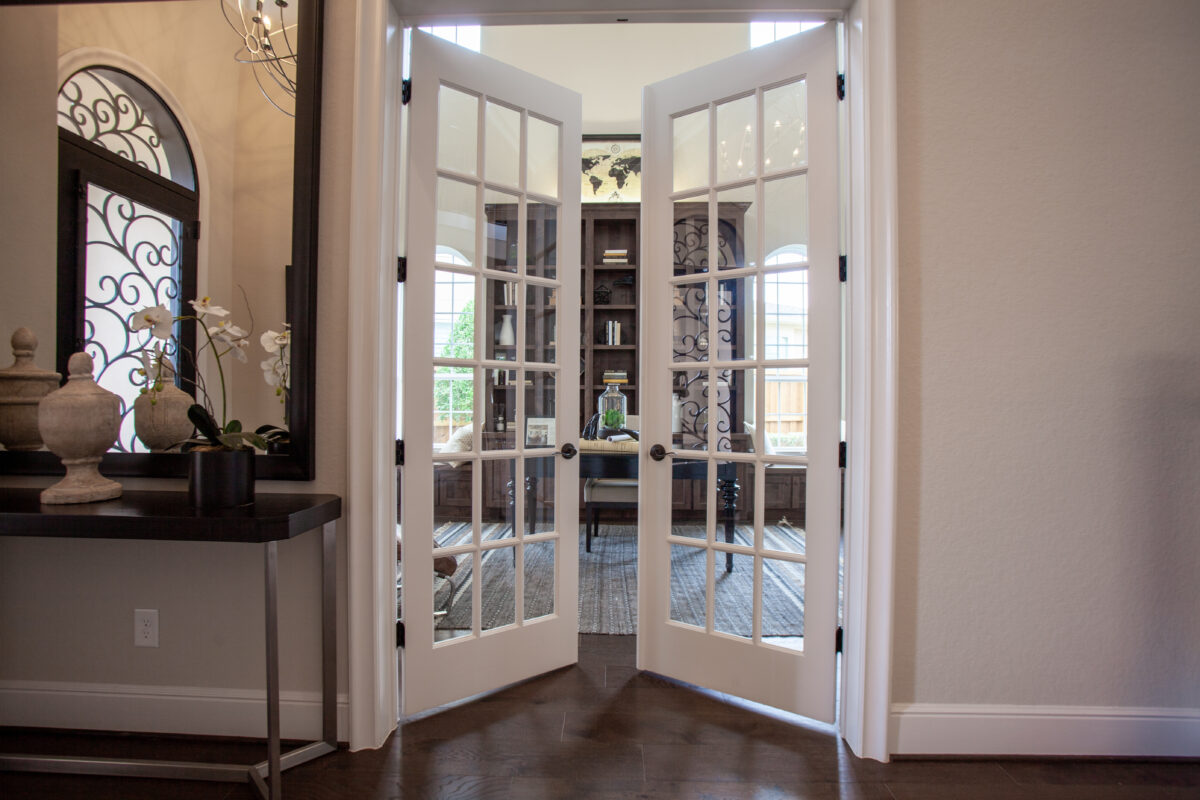
Architectural details play a crucial role in defining traditional spaces. Crown molding, wainscoting, and coffered ceilings add depth and elegance, creating a polished and sophisticated look. Molding trims, such as ogee or dentil crown molding, are excellent choices for achieving a refined appearance. For door styles, paneled doors with raised profiles, such as six-panel or French doors, like 518 with gorgeous glass panel designs, enhance the classic appeal of traditional interiors. Incorporating these elements ensures that a space maintains its historical charm while exuding a sense of permanence and grace. Check out A Beginner’s Guide to Choosing the Perfect Trim and Moulding to learn more about selecting the right trim for your traditional interior design.
Furniture and Décor
Traditional interiors are often defined by their carefully curated furniture and décor. Statement pieces like tufted sofas, wingback chairs, and claw-foot tables add depth and history to a room. The furniture is typically made of solid wood, such as mahogany, walnut, or cherry, featuring intricate carvings and detailed craftsmanship that reflect the grandeur of earlier periods. Upholstered seating often showcases timeless patterns like floral, damask, or paisley, reinforcing the classic aesthetic.
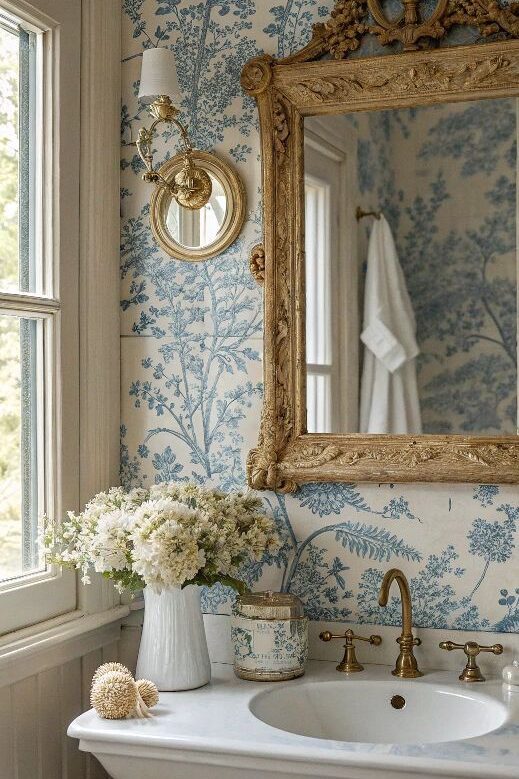
Décor elements in traditional interiors also play a significant role in enhancing the space. Ornate mirrors, antique chandeliers, and decorative sconces create a sense of refinement, while Persian and Oriental rugs add warmth and texture. Accessories like gilded picture frames, porcelain vases, and crystal accents complete the look, giving the space a collected and curated feel. By focusing on high-quality materials and intricate details, traditional interiors achieve a sense of sophistication that is both inviting and enduring.

Fabrics, Textures, and Materials
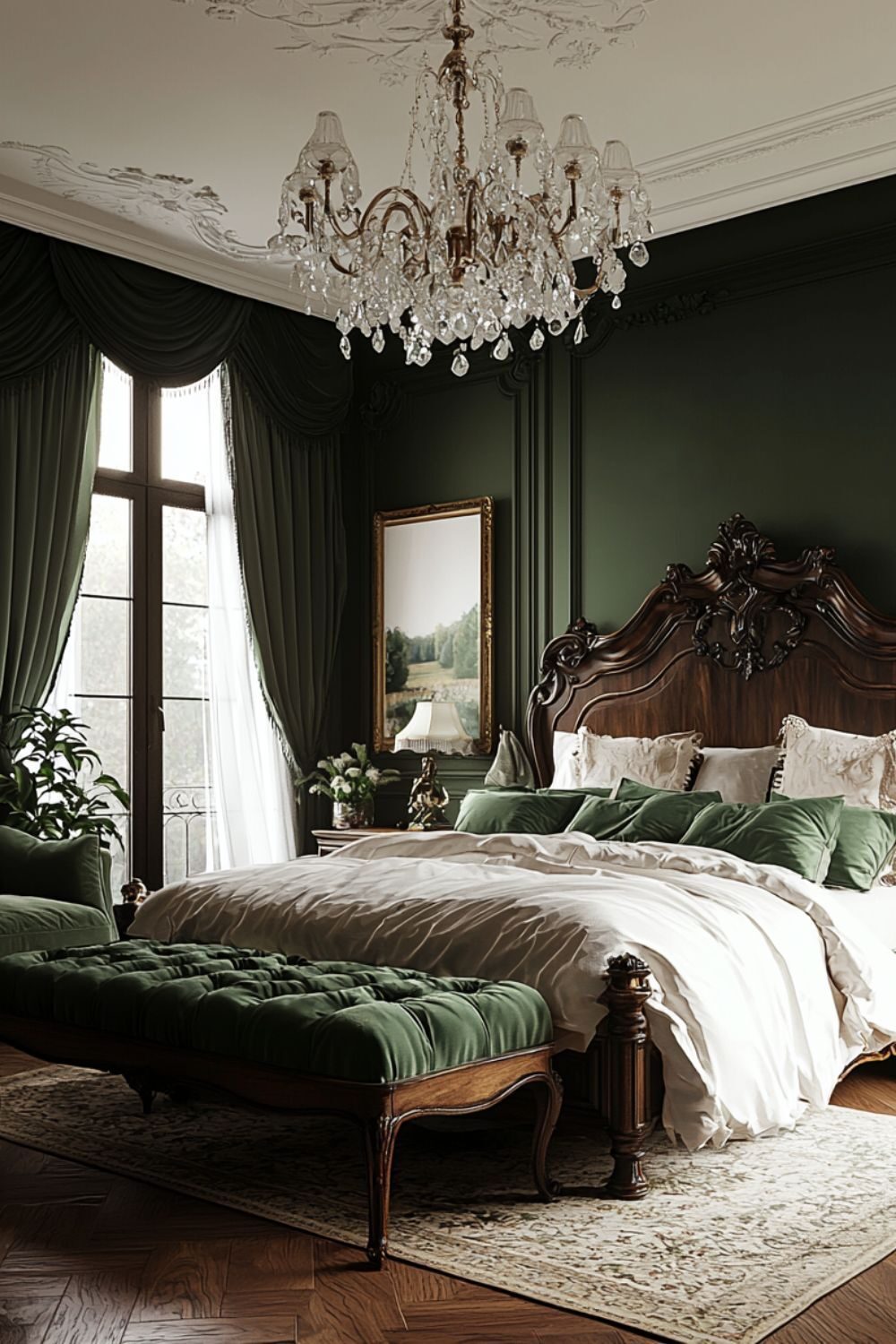
One of the hallmarks of traditional design is the use of luxurious fabrics and layered textures that create an inviting and elegant ambiance. Rich materials such as silk, velvet, and brocade are commonly used for drapery, upholstery, and decorative pillows, adding a sense of opulence. Damask and jacquard fabrics, often seen in upholstery and curtains, feature intricate patterns that enhance the depth of the design. Wall treatments also play a key role in traditional interiors. Textured wallpaper, such as grasscloth or embossed patterns, can add sophistication, while wood paneling or beadboard provides architectural interest. Window treatments are typically layered, incorporating heavy drapes with decorative valances or swags to enhance the grandeur of the space. The thoughtful combination of textures ensures that traditional interiors remain warm, elegant, and timeless.
Modern Interpretations of Traditional Design
While traditional design is deeply rooted in history, it continues to evolve, blending seamlessly with modern elements to create a refined yet livable aesthetic. Many designers today opt for a “New Traditional” approach, incorporating classic elements with a fresh, updated feel. Lighter wood tones, a more neutral color palette, and simplified furniture silhouettes make traditional design more adaptable to contemporary lifestyles.
Architectural details such as crown molding and wainscoting remain a staple, but they are often paired with sleeker finishes and subtle color contrasts for a modern touch. Doors with classic paneling, like Shaker or five-panel designs, strike a balance between old-world charm and modern simplicity. Mixing antique or vintage pieces with contemporary furnishings allows homeowners to enjoy the warmth of tradition without feeling overly formal. This fusion of classic elegance and modern functionality proves that traditional design remains as relevant today as it was centuries ago.


Traditional interior design is more than just an aesthetic; it is a celebration of craftsmanship, history, and timeless beauty. Whether through intricate moldings, elegant furniture, or rich fabrics, this style brings a sense of warmth and sophistication to any home. While modern trends may come and go, the principles of traditional design continue to inspire, offering a connection to the past while remaining adaptable to the present. By thoughtfully incorporating traditional elements, homeowners can create spaces that feel both classic and inviting—ensuring that this timeless style remains cherished for generations to come.
Check out our Pinterest Board for more inspirational designs and make sure to follow us on all of our social media platforms @WeAreWoodgrain