
Where Warmth Meets Contrast: A Guide to Mixing Wood Finishes
Mixing wood tones has become one of the most effortless and approachable ways to bring depth, warmth, and visual character into a home. Rather than relying on a single finish or matching every wood surface, today’s interiors celebrate contrast and natural variation. This approach reflects how wood appears in nature and results in spaces that feel layered, curated, and welcoming rather than overly matched. Whether your style leans toward Scandinavian light woods, deep traditional stains, or a modern blend of both, mixing wood tones allows your home to feel personal and lived in.
At its core, this design style is about intention and balance. Light, medium, and dark woods can coexist beautifully when their undertones complement one another, and each finish has room to breathe. The goal is not contrast for contrast’s sake, but harmony that feels cohesive and grounded. As homeowners move away from overly uniform interiors, mixed wood tones continue to grow in popularity for their ability to work across architectural styles and throughout the home. From statement furniture to subtle details like moulding and doors, blending wood finishes creates interiors that feel timeless, warm, and thoughtfully designed.

What Does Mixing Wood Tones Really Mean?
Mixing wood tones is more than pairing a dark dining table with a light floor. It is an intentional layering of finishes, grains, and undertones that brings depth, warmth, and visual character into a home. Rather than relying on a single finish or matching every wood surface, this approach celebrates contrast and natural variation. Each wood tone carries its own temperature and personality, and together they create a space that feels curated, welcoming, and full of dimension. At its core, blending wood tones is about balance. Light, medium, and dark woods can coexist beautifully when their undertones complement one another and each finish has room to stand on its own. The goal is not contrast for contrast’s sake, but harmony that feels cohesive and grounded. This reflects how wood appears in nature and allows interiors to feel layered, lived in, and thoughtfully designed rather than overly matched.
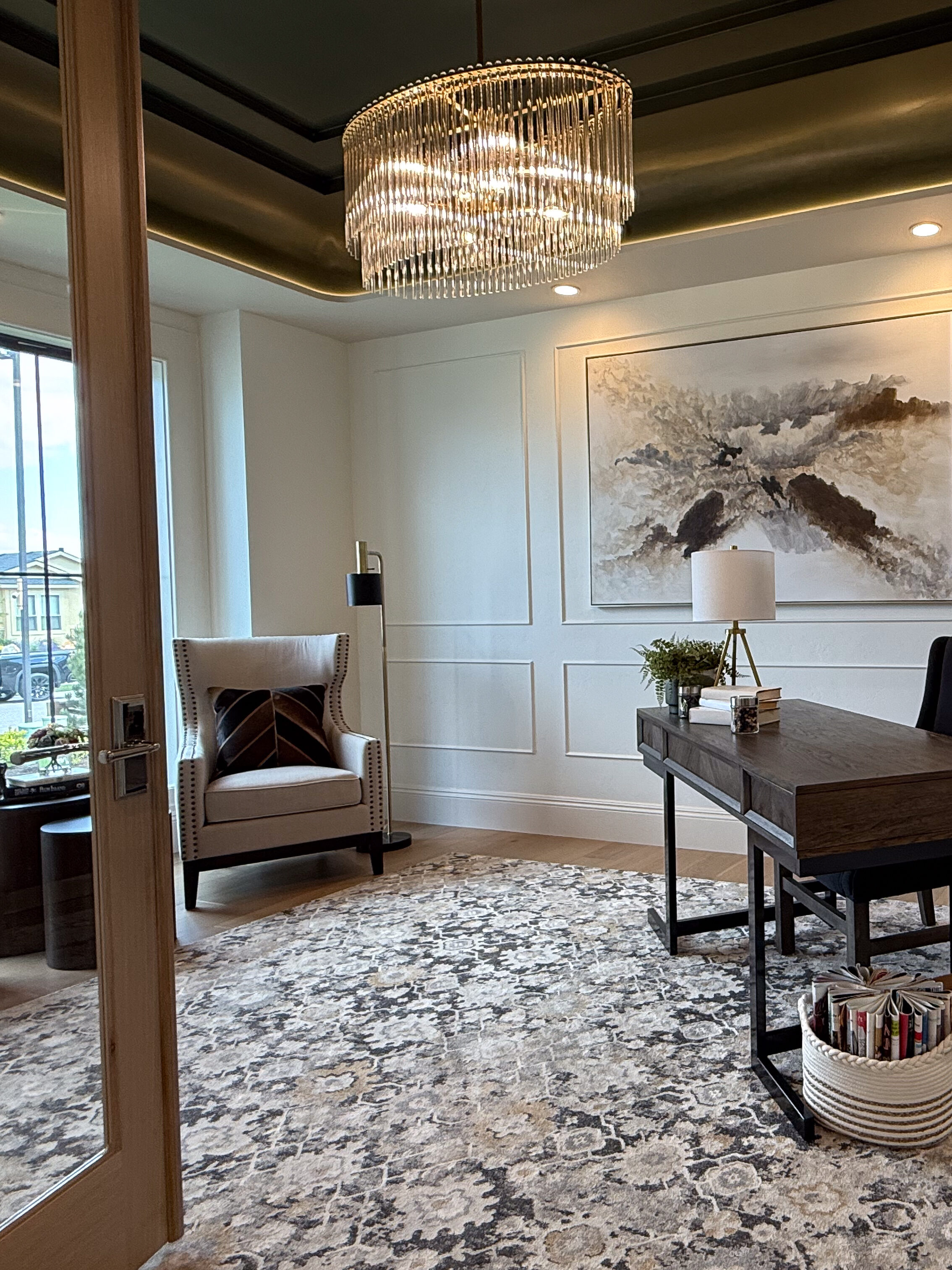
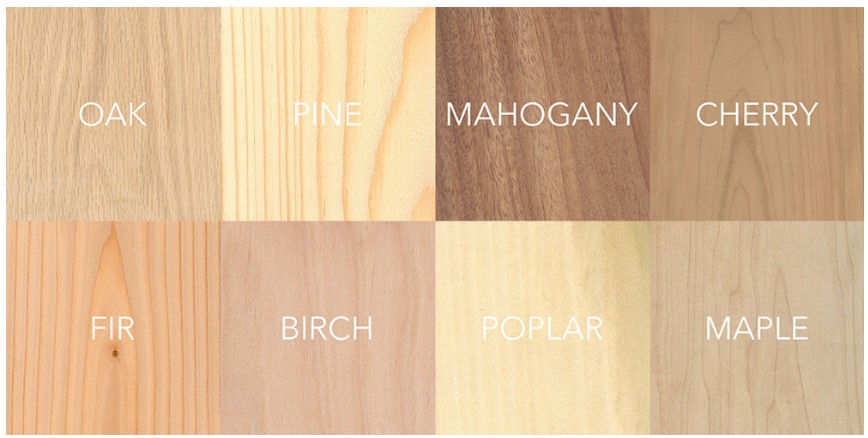
As this design approach continues to gain popularity, homeowners are embracing mixed wood tones for their flexibility across styles. Whether your home leans modern, traditional, or somewhere in between, blending wood finishes adds warmth and personality. Subtle architectural details, such as moulding, often become the quiet foundation of this style. Baseboards, window casings, and crown moulding introduce structure and help visually support the mix of finishes throughout the home. Doors play an equally important role in establishing this foundation. A natural white oak door can act as a soft transition between multiple wood tones, while a deeper mahogany door can anchor a space and add contrast. These architectural elements serve as touchpoints that help the mixed wood look and feel intentional and seamless.
Check out our blog on How to Choose Your Moulding Species to find the perfect match for you and your style!
Popular Wood Combinations in Today’s Homes
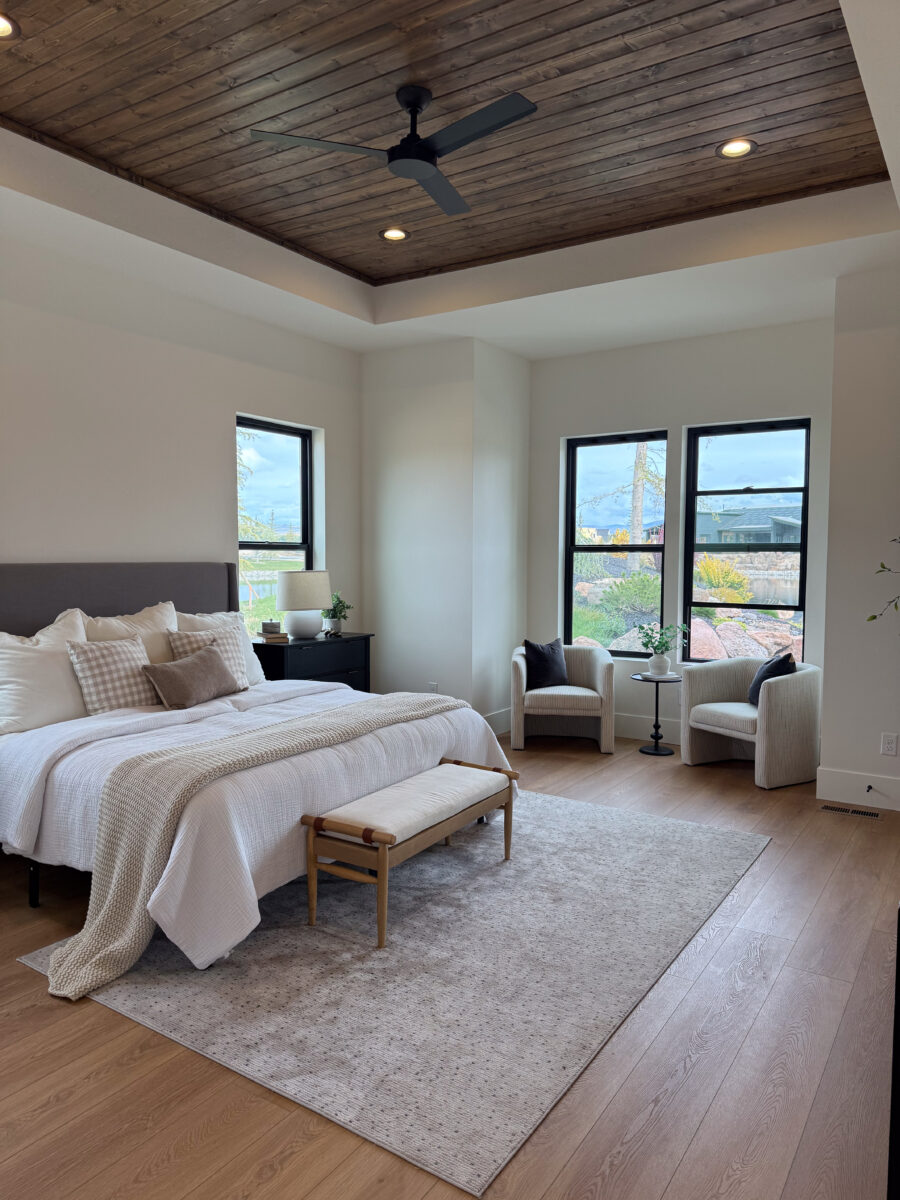
One of the most common and approachable ways to mix wood tones is by pairing light finishes with warmer, medium tones. Woods such as white oak or ash introduce a sense of openness and softness, while finishes like chestnut or acacia add warmth and depth. This combination feels balanced and timeless, making it especially well suited for open-concept spaces where continuity and visual flow are important.
Another widely used pairing blends deeper, traditional woods with lighter, more contemporary finishes. Rich walnut or espresso tones bring contrast and structure, particularly when used on furniture or doors, while light wood flooring or cabinetry keeps the space from feeling heavy. Together, these finishes create interiors that feel refined yet current, offering a subtle blend of classic and modern influences.
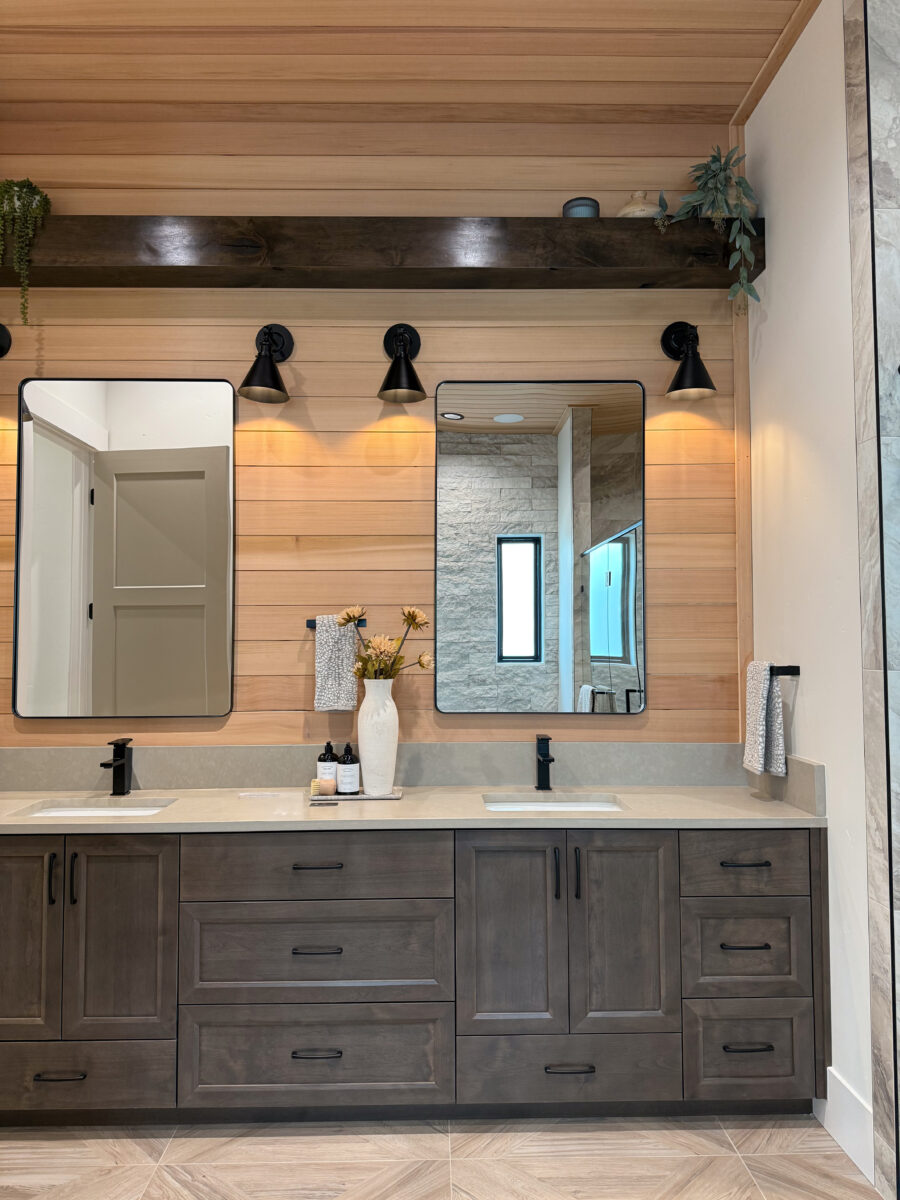
Designers are also layering texture by combining weathered or reclaimed woods with smoother, more polished finishes. This contrast adds character and dimension without overwhelming the space. A rustic wood table or beam feels intentional when balanced with clean-lined cabinetry or understated moulding, allowing each element to stand out while maintaining overall harmony. Architectural details help reinforce these combinations throughout the home. Light or natural wood doors, painted trim, and glass panel doors framed in warm finishes provide gentle transitions between varying wood tones. When chosen with care, these elements connect spaces seamlessly and support a cohesive, thoughtfully layered interior.

How to Bring Mixed Wood Tones Into Your Home
Introducing mixed wood tones begins with identifying an anchor piece. This is often your flooring, a large dining table, or a built-in feature that sets the tone for the space. Once established, additional wood finishes should complement rather than compete. Paying attention to undertones is key. A cool gray oak floor, for example, pairs well with warmer honey or natural finishes that create contrast without clashing. Architectural elements like moulding and doors help guide these transitions. A white oak door with warm undertones can soften the shift between light floors and dark cabinetry, while medium-toned moulding can visually connect spaces from room to room. These details may seem subtle, but they play an important role in making mixed wood tones feel cohesive rather than scattered. Layering completes the look. Wood tones should appear in furniture, shelving, frames, and accent pieces throughout the space. Repeating a specific finish in multiple areas helps reinforce balance. Matching bar stools to a nearby picture frame or echoing a darker wood tone from a door in a coffee table creates visual continuity while still allowing variation to shine.
Styling and Decorating With Intention
Once your wood tones are established, styling brings the entire design together. Textiles, lighting, and decor help balance the mix of finishes and soften transitions. Natural fabrics such as linen, wool, and cotton add warmth, while metal accents introduce contrast and structure. Rugs are especially helpful in anchoring spaces and visually separating wood elements in open layouts.
Decor can also highlight architectural details. A glass panel door framed in a warm wood tone becomes a focal point when paired with complementary artwork or greenery nearby. Similarly, well-chosen moulding around doors and windows helps guide the eye through different finishes, creating a natural rhythm from room to room. Lighting plays a crucial role in how wood tones are perceived. Natural light emphasizes grain and texture, while warm artificial lighting enhances richness in the evening. When multiple wood finishes are present, thoughtful lighting ensures each one is appreciated without overpowering the others. With intentional styling, mixed wood tones feel seamless, elegant, and effortlessly curated.
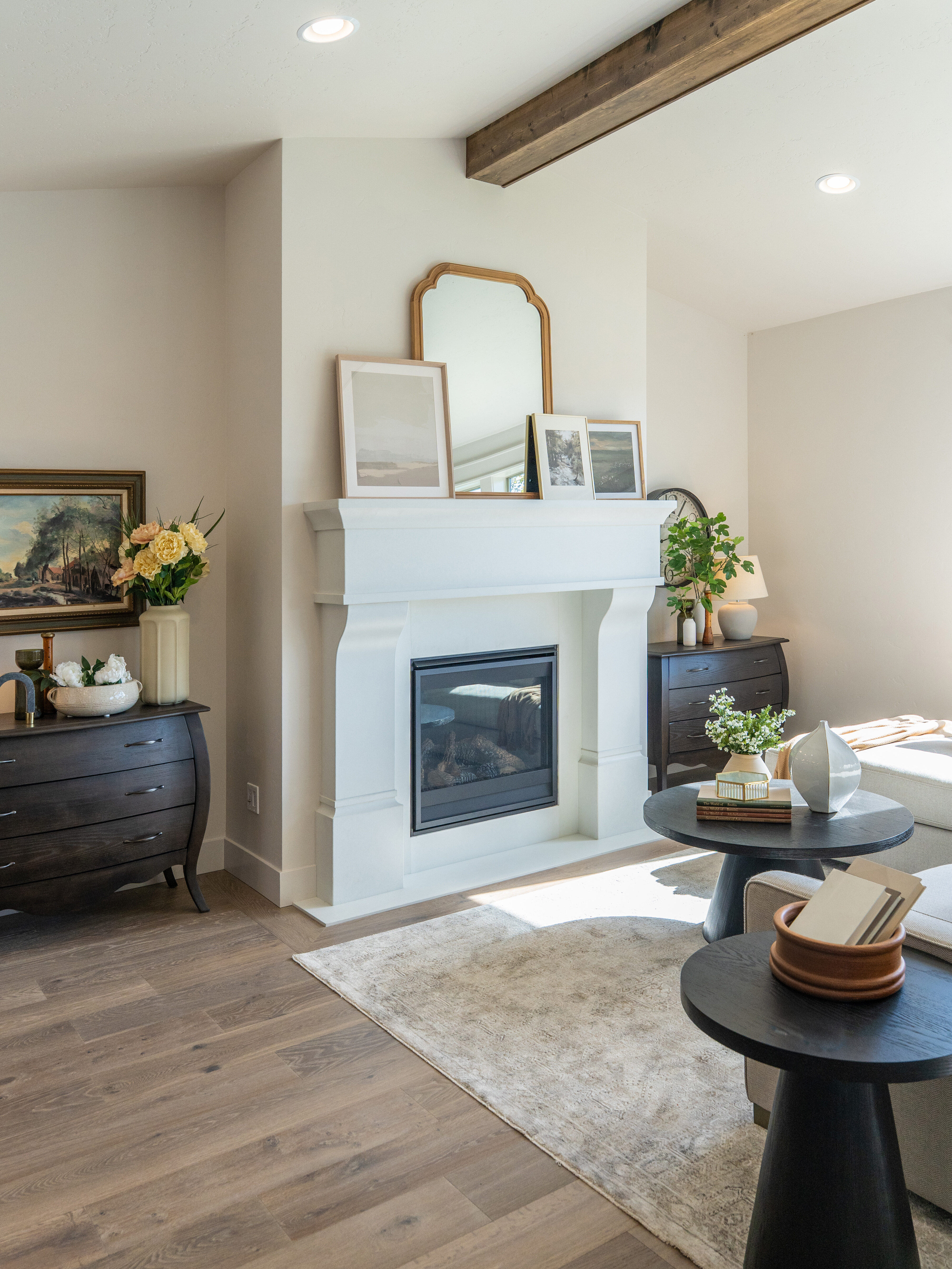
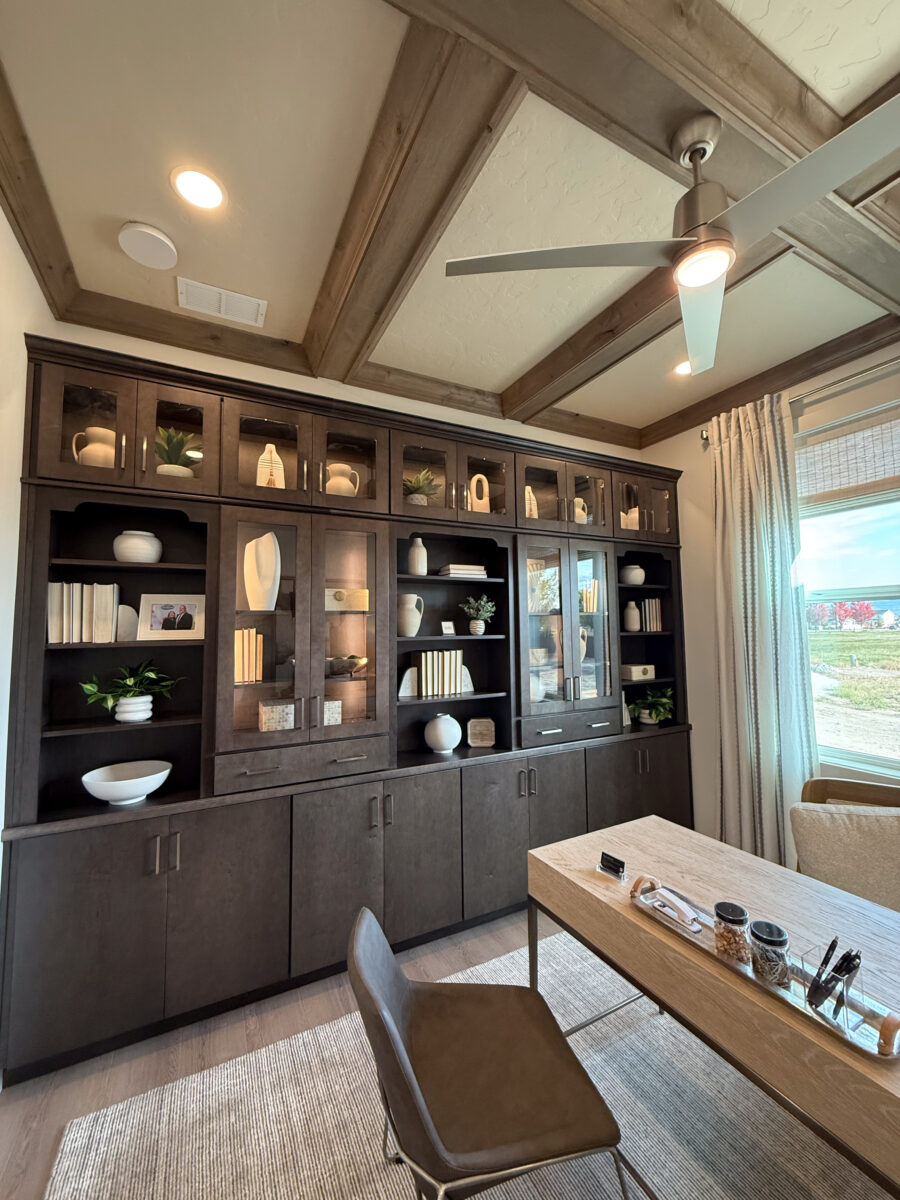
Mixing wood tones ultimately comes down to intention and confidence. When different finishes are layered thoughtfully, they create spaces that feel warm, dimensional, and visually engaging rather than overly coordinated. By understanding undertones, choosing an anchor finish, and allowing contrast to exist, mixed wood interiors feel purposeful and balanced. What makes this approach especially appealing is its versatility. Mixed wood tones work across design styles and throughout the home, from large foundational elements to smaller architectural details like moulding and doors. These elements quietly connect spaces, helping each room feel related while still having its own character. As you bring this style into your home, think of it as a gradual, evolving process rather than a single design decision. When wood tones are repeated, layered, and supported by thoughtful styling, the result is a home that feels cohesive, lived in, and timeless. Mixing wood tones is not about perfection; it is about creating a space that feels considered, comfortable, and distinctly yours.
Check out our Pinterest Board for more inspirational designs and make sure to follow us on all of our social media platforms @WeAreWoodgrain