
Adding Depth and Detail with Fluted and Reeded Millwork
Interior design continues to embrace depth and dimension, and fluted and reeded millwork has emerged as a standout detail that effortlessly bridges classic craftsmanship with modern design sensibilities. These textured moulding profiles introduce visual rhythm and architectural interest without overwhelming a space, making them a versatile choice for a wide range of interiors. Whether used subtly or as a focal point, fluted and reeded millwork offers homeowners a refined way to elevate everyday spaces.
As homes move away from flat, featureless surfaces, designers and homeowners alike are gravitating toward details that feel intentional and tactile. Fluted and reeded mouldings deliver exactly that. It brings warmth, movement, and sophistication while remaining grounded in traditional millwork principles. Understanding what these profiles are and how to incorporate them thoughtfully is key to making them feel timeless rather than trend driven.
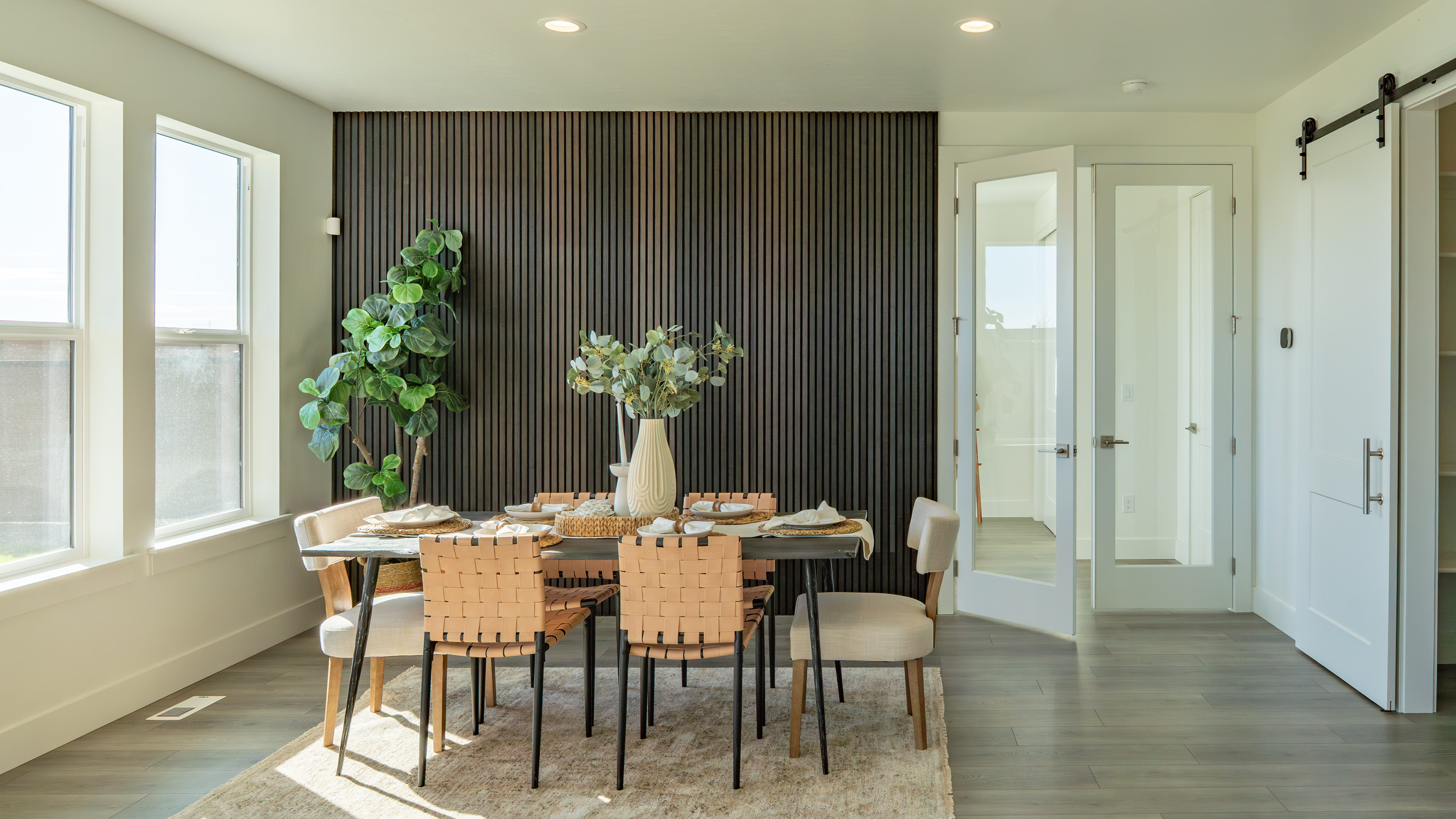
Understanding Fluted and Reeded Millwork
Fluted and reeded millwork refers to moulding and paneling profiles characterized by a series of vertical grooves that create texture and depth. Fluted profiles typically feature rounded grooves with a softer, sculpted appearance, often associated with classical architecture and traditional columns. Reeded profiles, on the other hand, use narrower, more uniform grooves that feel slightly more structured and contemporary. Both styles share a common goal of adding dimension and visual interest to otherwise flat surfaces.
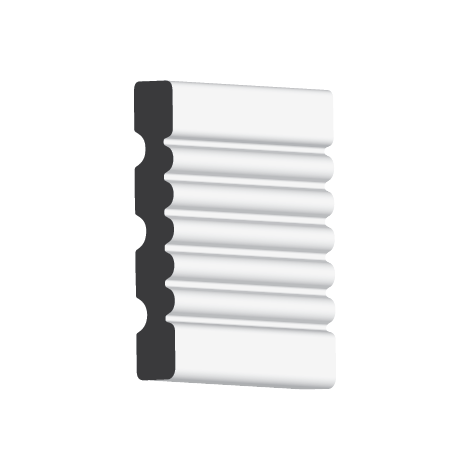
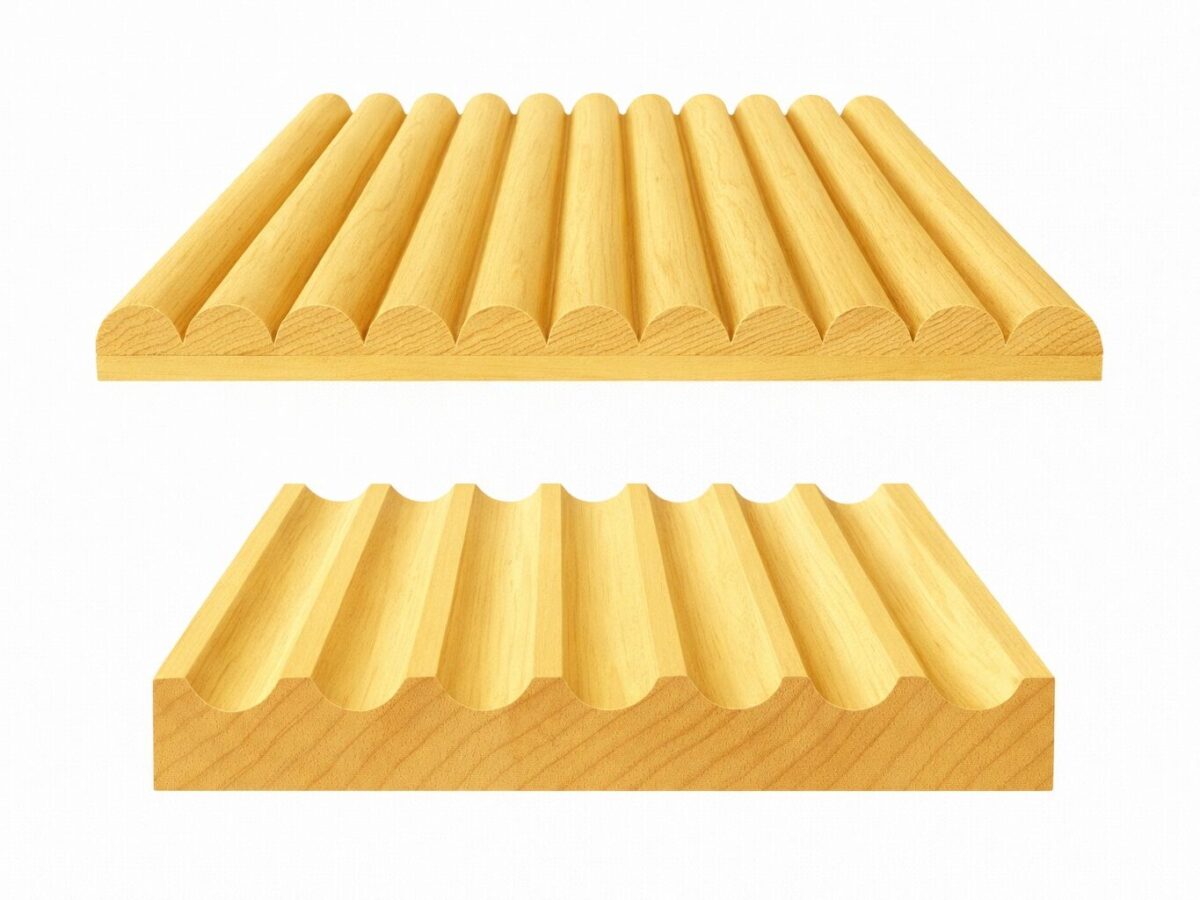

These profiles can be found across a variety of moulding applications, including wall paneling, cabinetry details, fireplace surrounds, door and window casing, and even ceiling treatments. Their vertical orientation naturally draws the eye upward, subtly enhancing the sense of height and proportion within a room. This makes them especially effective in spaces where architectural character is desired without heavy ornamentation.
What makes fluted and reeded moulding particularly appealing is their adaptability. They can lean traditional, transitional, or modern depending on scale, spacing, finish, and placement. When thoughtfully selected, these moulding profiles feel intentional and architectural rather than decorative, allowing them to blend seamlessly into both historic homes and new builds.
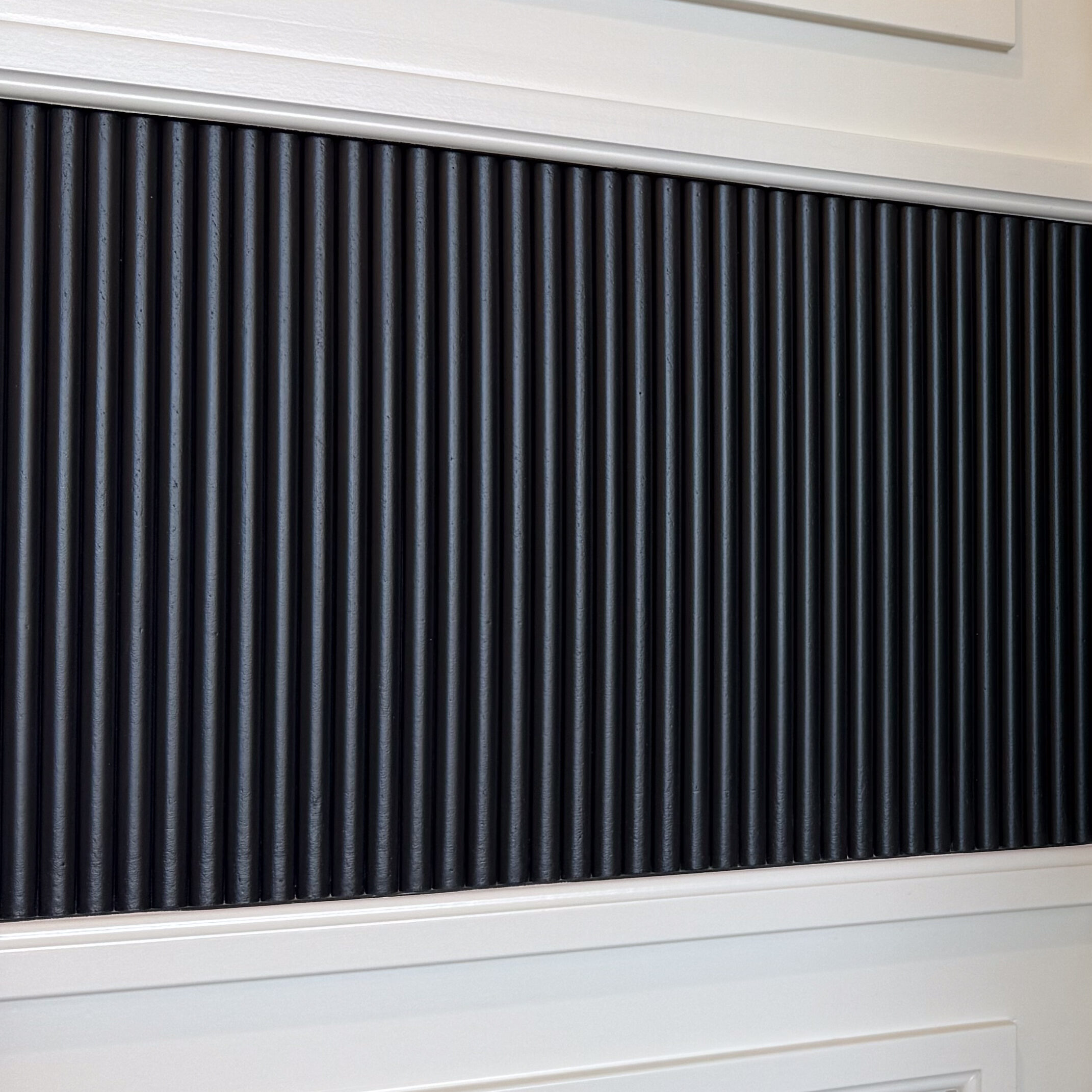
Creating a Cohesive Style with Reeded or Fluted Moulding
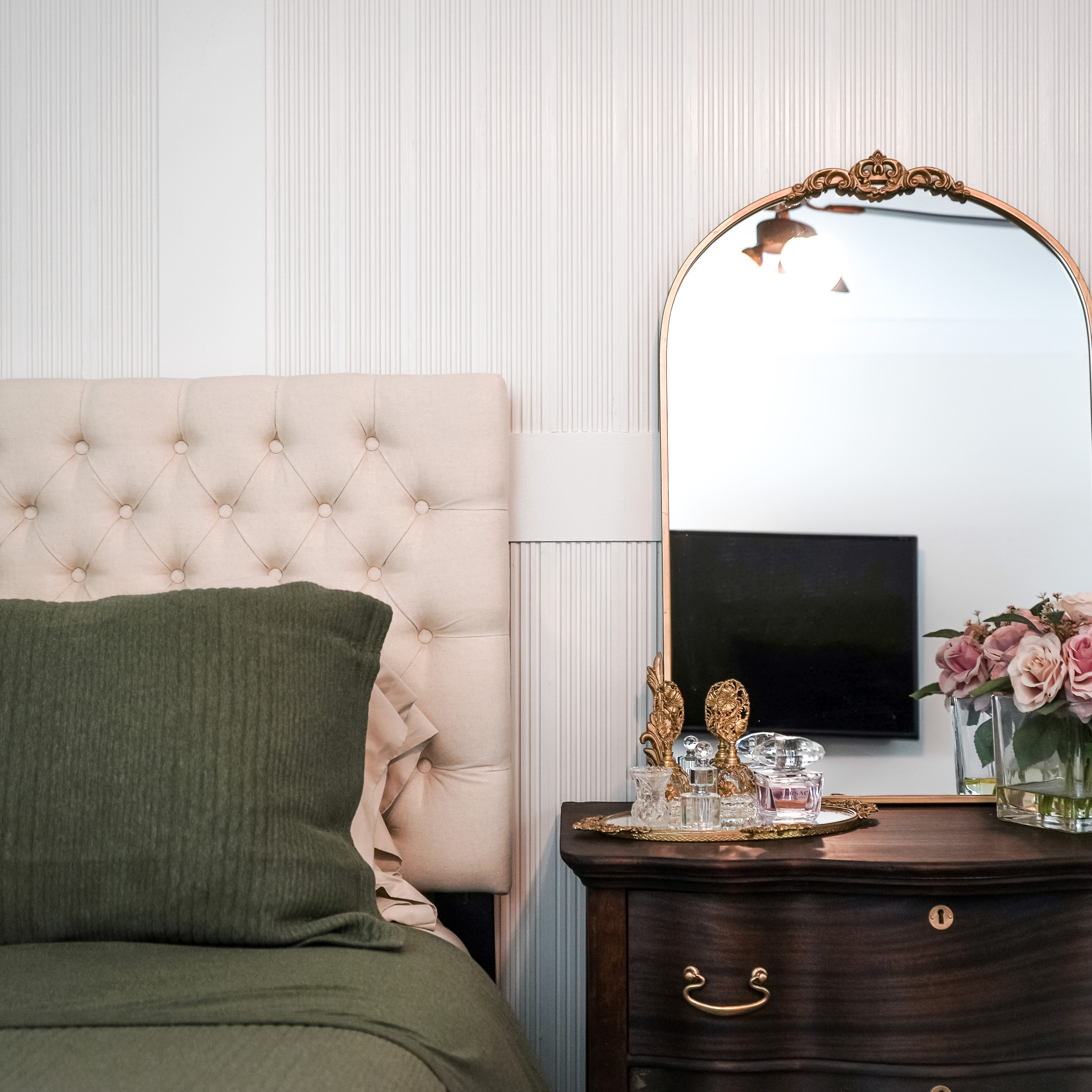
Establishing a cohesive interior style with either reeded or fluted moulding begins with treating the profile as a foundational architectural element rather than a decorative afterthought. When used intentionally, this type of moulding helps define the character of a space, guiding how other design decisions unfold. Incorporating the profile across multiple surfaces, such as wall treatments, cabinetry, or built in features, allows it to feel integrated and purposeful within the home.
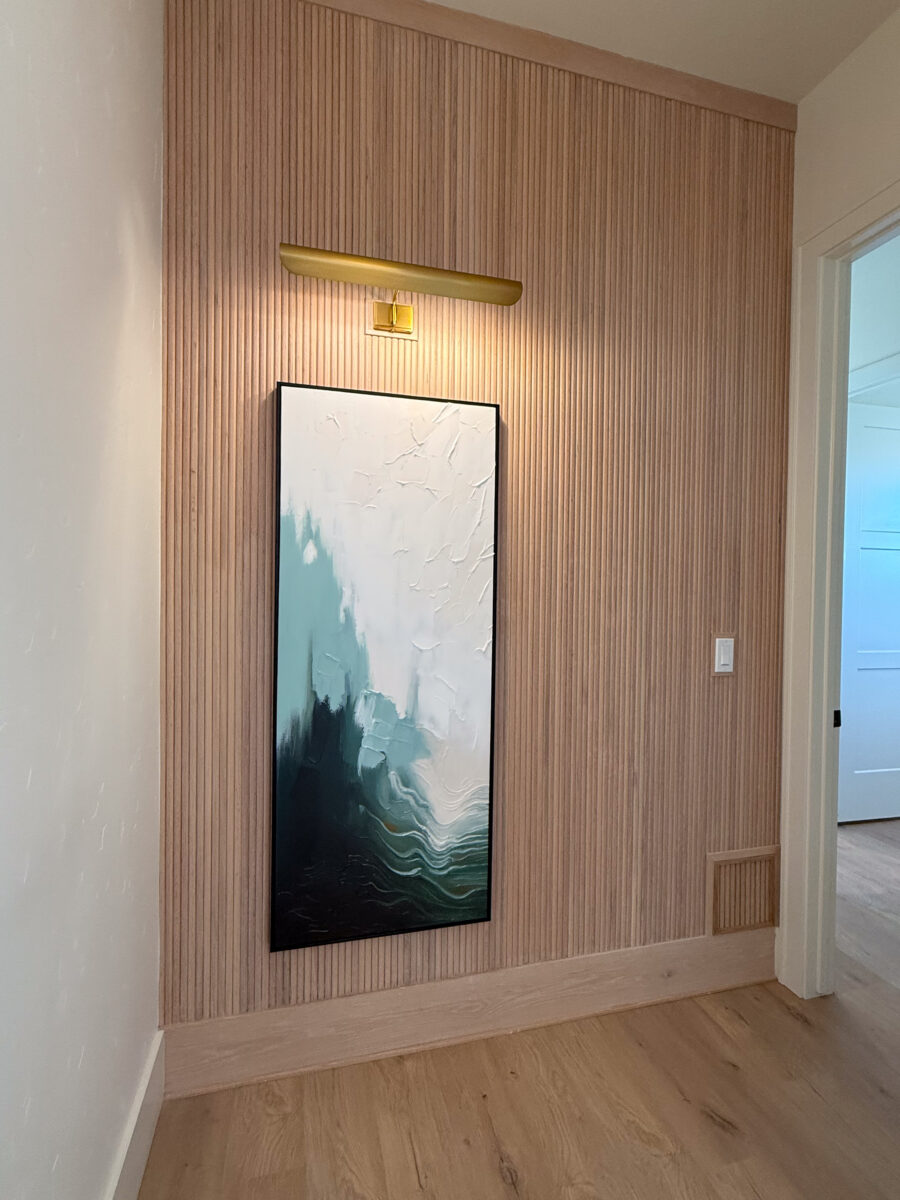
Both mouldings can subtly shape the mood of a room depending on how they are applied. The vertical grooves introduce a sense of structure and rhythm, creating visual movement that naturally draws the eye through the space. This makes fluted or reeded profiles especially effective on accent walls, where the added texture brings depth and definition without overwhelming the room. Accent walls are an ideal way to incorporate this type of millwork in spaces that benefit from added height or architectural interest, such as living areas, dining rooms, or primary suites. When used thoughtfully or repeated throughout a space, the profile becomes part of the home’s architectural language rather than a singular decorative feature. Interested in exploring this approach further? We recommend checking out our DIY Accent Wall: Fluted Casing Wall blog, which offers a more in-depth look at how to plan, design, and create a feature wall that feels intentional, balanced, and cohesive within your home.
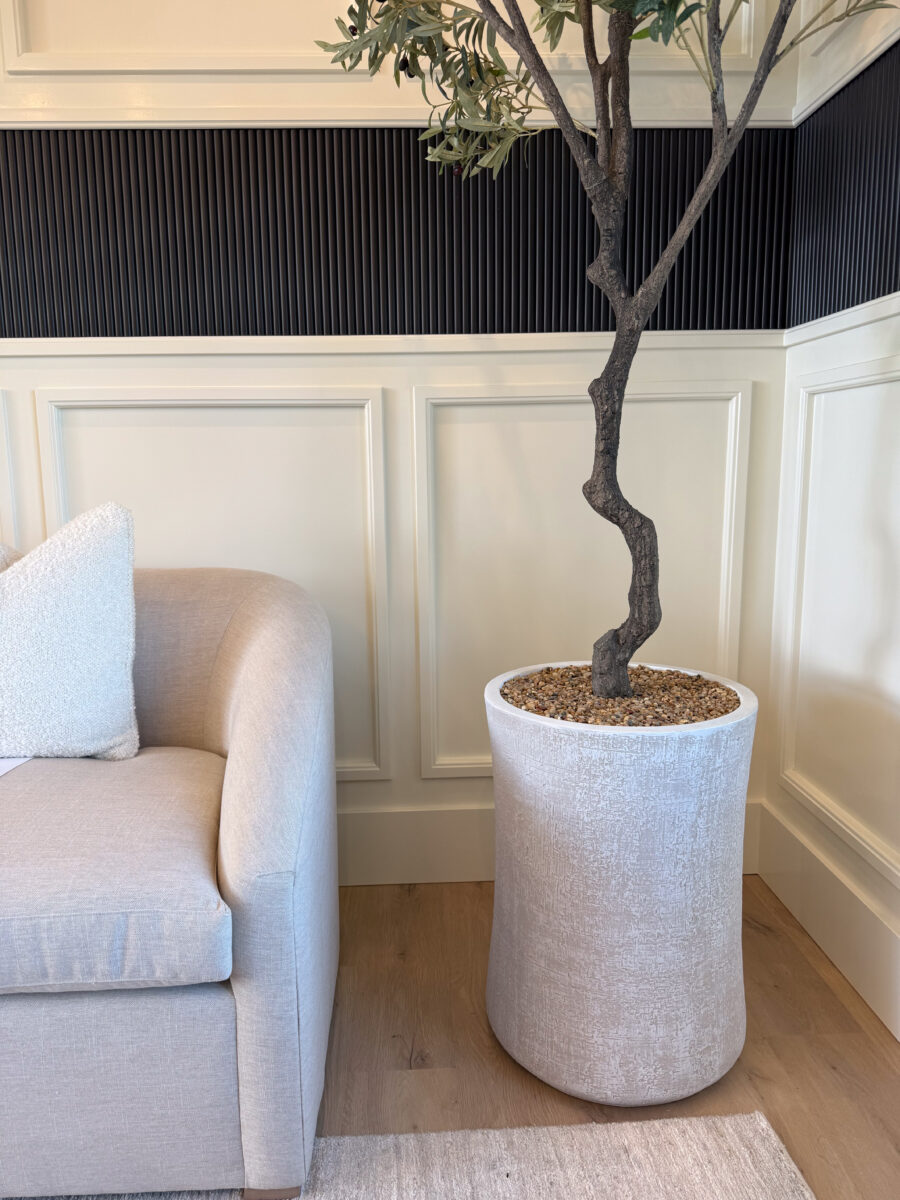
The finish and scale of these mouldings play a significant role in how they contribute to the overall design style. Finer grooves often feel refined and tailored, making them a natural fit for cabinetry, door and window casings, or other supporting architectural details. Larger scale profiles create a more sculptural presence and work beautifully in statement areas where texture is meant to stand out. Painted finishes highlight shadow and dimension, while natural wood tones emphasize craftsmanship and warmth.
To maintain balance, surrounding materials and furnishings should support the moulding without competing with it. Clean lines, layered textures, and thoughtful lighting allow the vertical detailing to remain the visual anchor of the space. When these mouldings are treated as a consistent design element, it brings cohesion, depth, and a sense of intentionality that elevates the entire home.
Preparing Your Home for Fluted and Reeded Millwork
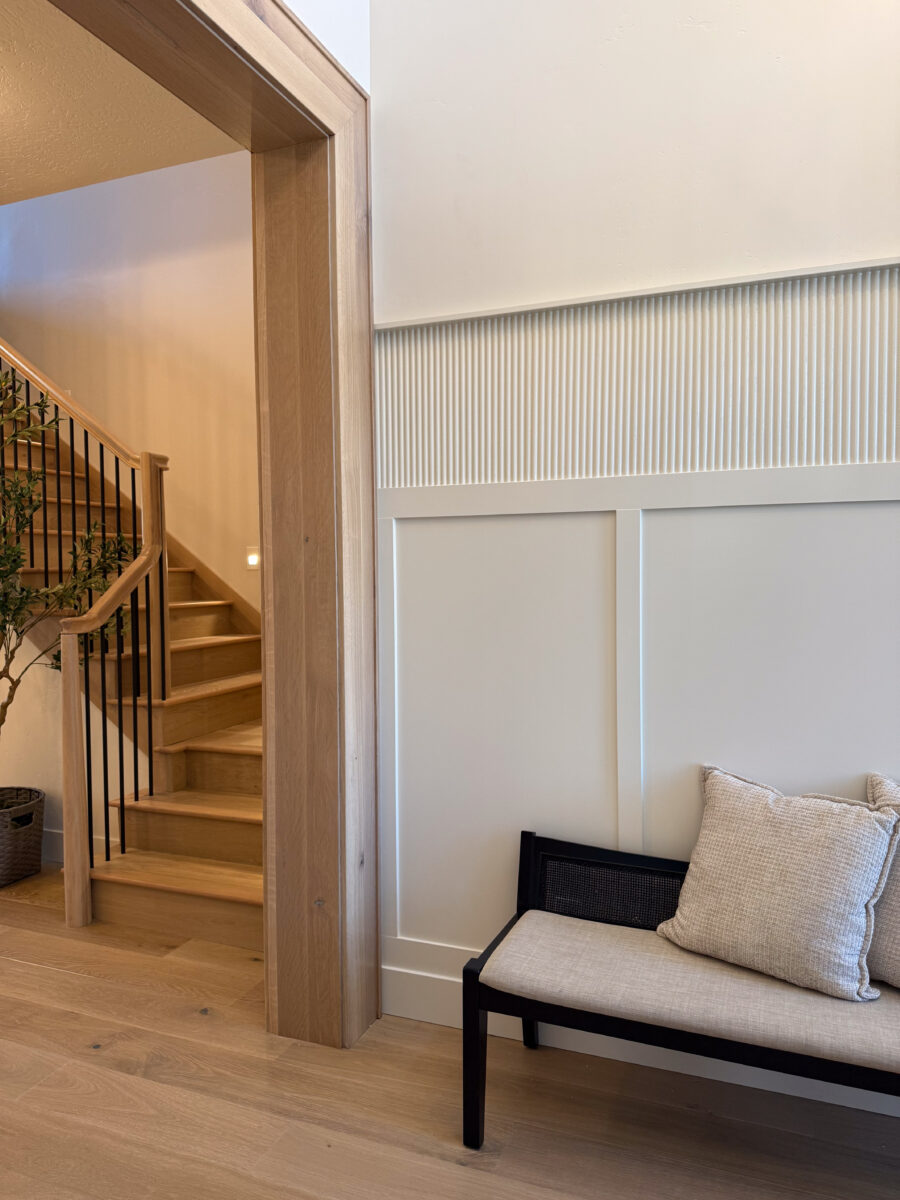
Before introducing fluted or reeded millwork into your home, thoughtful preparation ensures a polished and intentional result. It begins with evaluating where architectural emphasis will have the greatest impact. Areas with natural focal points, such as entryways, dining rooms, or feature walls, are ideal candidates for these textured profiles. Considering sightlines and how light interacts with the grooves will help maximize their visual effect. Proper surface preparation and installation are essential to achieving a refined finish. Walls and substrates should be smooth and level to allow the moulding profiles to align cleanly and consistently. Precision during installation ensures the vertical grooves remain evenly spaced, which is critical to maintaining the rhythm and symmetry that define fluted and reeded moulding.
Once installed, decorating around these details requires a measured approach. Because the millwork already adds texture and movement, surrounding furnishings and decor should complement rather than compete. Clean-lined furniture, soft textiles, and thoughtful lighting allow the moulding to stand out while still feeling integrated into the overall design. The goal is to let the architectural detail speak for itself while supporting it with intentional styling.
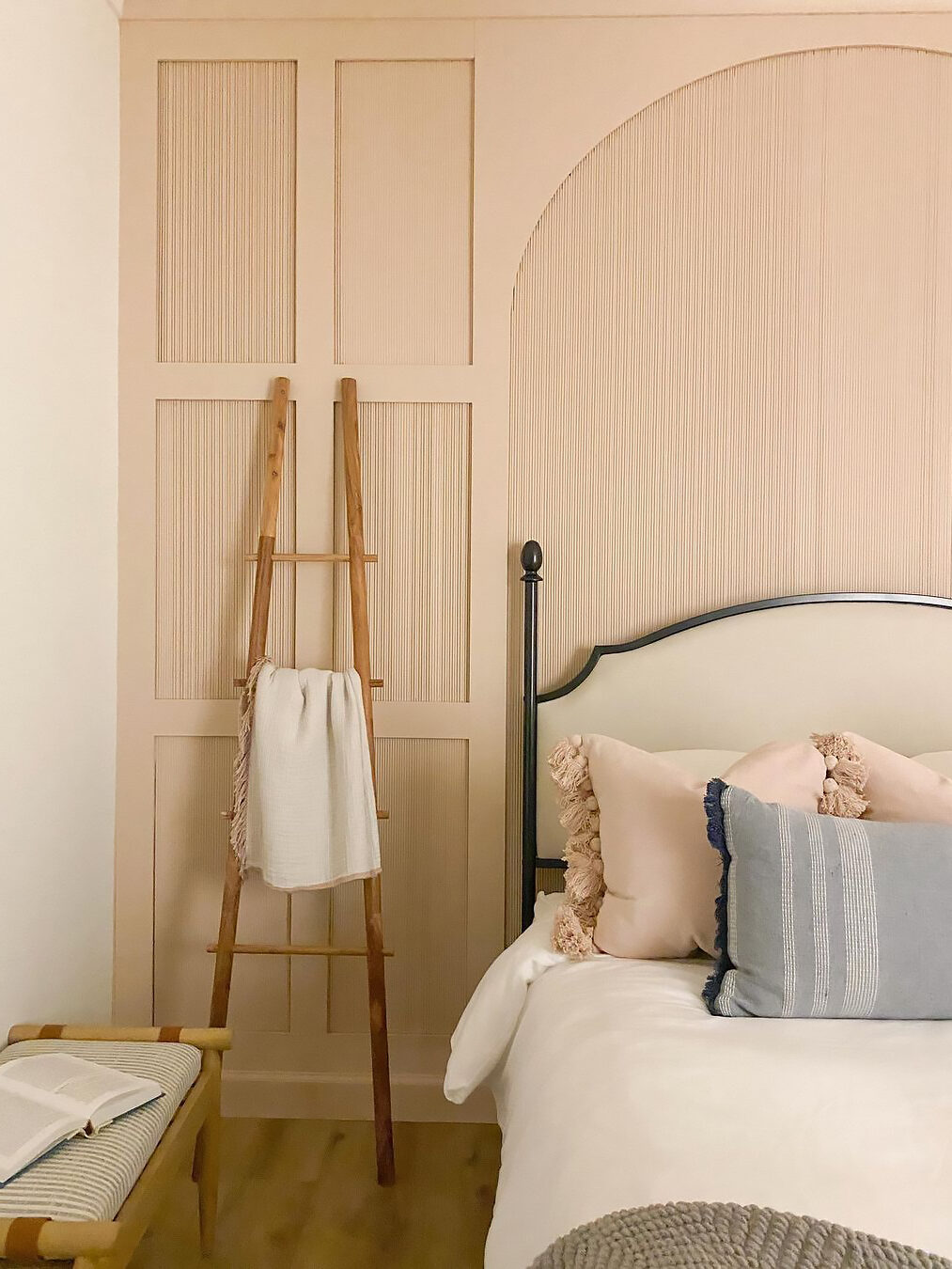
Fluted and reeded moulding provides more than just visual interest. It brings a sense of craftsmanship and durability that elevates a home’s ambiance. These profiles are rooted in classical design yet remain versatile enough for modern interiors, making them a valuable, timeless choice over fleeting trends. Through added texture and depth, moulding allows homeowners to transform simple spaces into thoughtfully crafted environments that feel warm and inviting. They promote an appreciation for detail and proportion, hallmarks of well-designed interiors. Ultimately, adding these architectural details enriches your home’s character while maintaining harmony and balance. When thoughtfully applied, these elements create layered, elegant, and enduring spaces that seamlessly blend form, function, and style.
Check out our Pinterest Board for more inspirational designs and make sure to follow us on all of our social media platforms @WeAreWoodgrain