
Creating an Organized Home for Back to School
The beginning of a new school year brings a return to familiar routines, fuller calendars, and busy mornings. After a relaxed summer, backpacks, lunch boxes, school papers, sports equipment, and everyday essentials can quickly begin to collect throughout the home. Without designated places for these items, even the simplest morning tasks can become stressful.
Preparing the home for back to school does not require a complete renovation or a complicated storage system. A few purposeful updates can create natural places for important items while supporting the way the family moves through each day. By focusing on the areas that work the hardest, families can create a more organized home that still feels comfortable, personal, and welcoming.
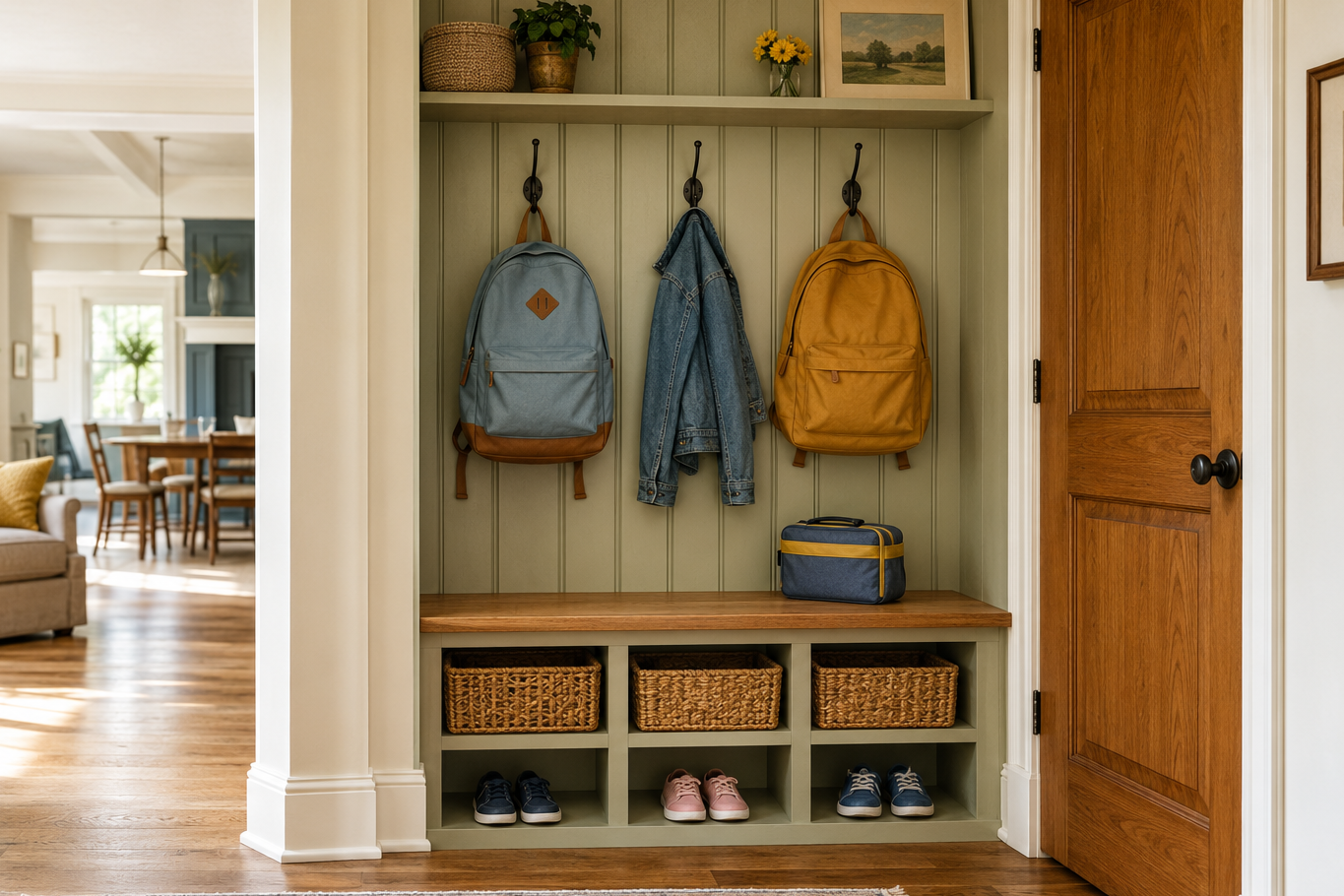
Create a Welcoming Drop Zone
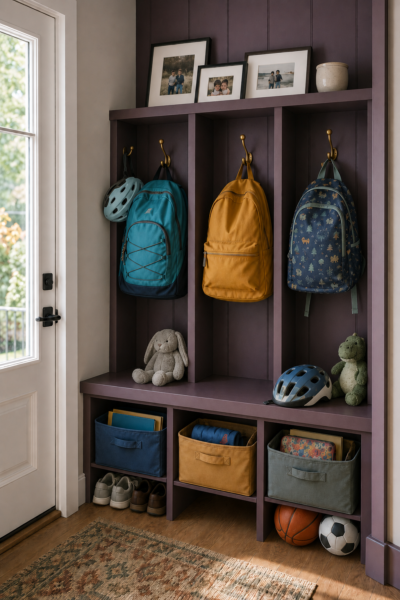
The entryway is often the first place where the school day enters the home. Shoes are kicked off, backpacks are set down, and jackets can quickly end up on a chair or across the floor. Giving each item a designated place near the door helps prevent clutter from traveling into the kitchen, living room, or bedroom. It also makes important belongings easier to find when it is time to leave the next morning.
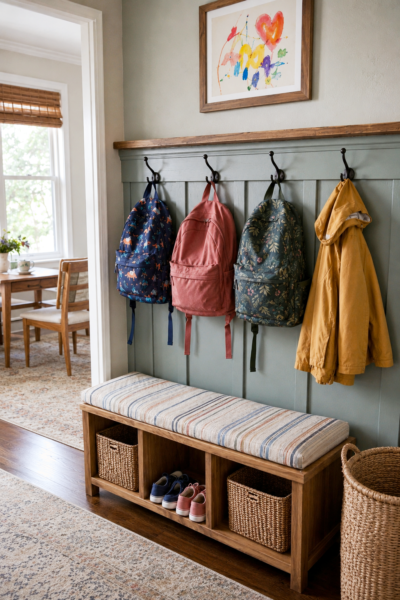
A built-in bench, small console, or row of wall hooks can transform even a narrow entry into a useful drop zone. Baskets placed beneath a bench provide storage for shoes, hats, and seasonal accessories. Individual hooks can give each family member a dependable place for backpacks and outerwear. A small tray or bowl can also hold keys, identification cards, and other everyday essentials.
Consider how the height and placement of storage will work for every member of the family. Lower hooks and open cubbies allow younger children to put away their own belongings without assistance. Frequently used items should remain visible and easy to reach, while less essential pieces can be stored in baskets or cabinets. When children can use the organization system on their own, it becomes much easier to maintain.
Architectural details can make a hardworking entryway feel like a finished part of the home. Board and batten, shiplap, or decorative moulding can add character behind a bench or row of hooks while helping the storage area feel intentional. Painted trim can introduce color, while durable base moulding and door casing create a polished frame around the space. These details allow practical organization to become part of the overall design of the home.
Design a Homework Space That Encourages Focus
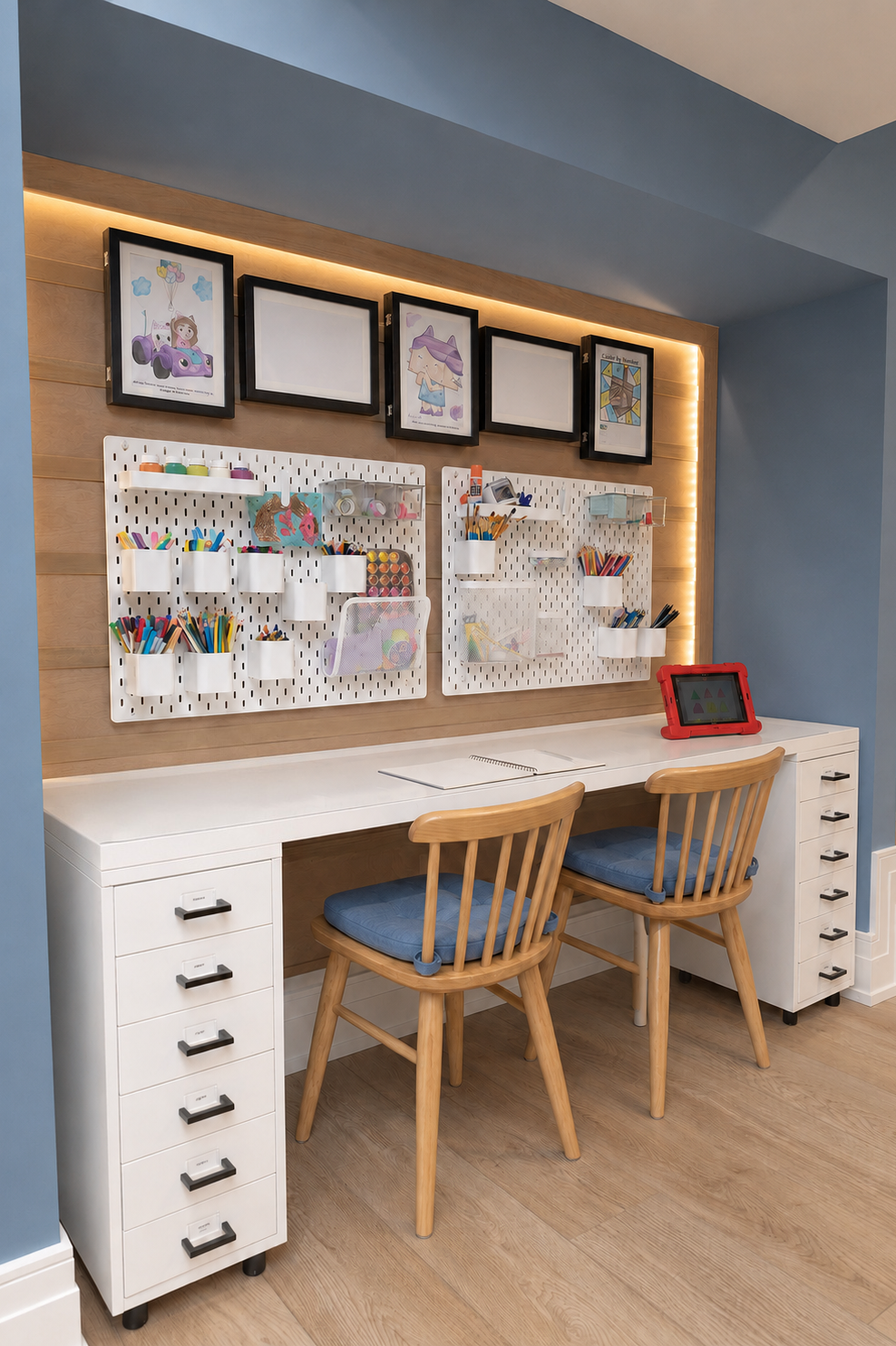
A dedicated homework area can make the transition from school to home feel more predictable. This space does not need to be a separate room or an elaborate home office. A desk in a bedroom, a quiet section of the living room, or a small workstation near the kitchen can all work well. The most important qualities are comfort, organization, and freedom from unnecessary distractions.
Begin with the supplies children use most often, including pencils, paper, notebooks, chargers, and art materials. Keep these items within easy reach using drawers, desktop containers, or labeled bins. Closed storage can conceal extra supplies and prevent the work surface from becoming crowded. A small shelf can display a few books or personal items that make the area feel welcoming without taking attention away from schoolwork.
Lighting can also affect how comfortable and functional the homework area feels. Natural light can brighten an afternoon study session, while a focused desk lamp provides support on cloudy days and darker evenings. Choose a chair that is comfortable enough for reading and writing while still fitting the size of the desk. A clear work surface will give children enough room to spread out books, papers, and other materials.
The design of the surrounding wall can help establish the homework station as its own area. Picture frame moulding, a painted wall panel, or a simple chair rail can visually separate the workspace from the rest of the room. A calming wall color can support concentration, while a few colorful accessories can keep the area from feeling too serious. The goal is to create a space that feels organized and focused while still reflecting the personality of the child using it.
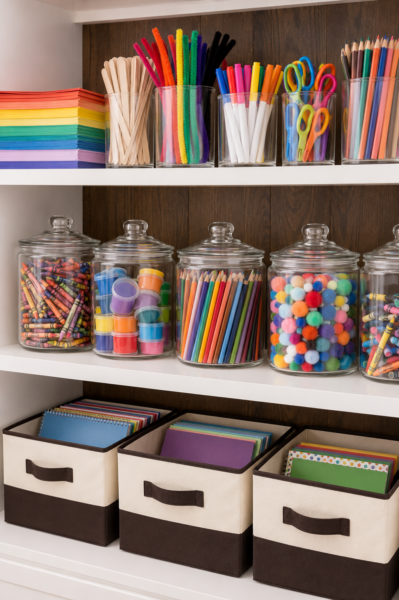
Prepare for Smoother School Mornings
Many of the most stressful school mornings begin with small items that cannot be found. A missing shoe, empty water bottle, or unpacked lunch can quickly disrupt the routine. Organizing the kitchen and bedroom around the tasks that happen each morning can save valuable time. It can also give children more opportunities to take responsibility for getting ready.
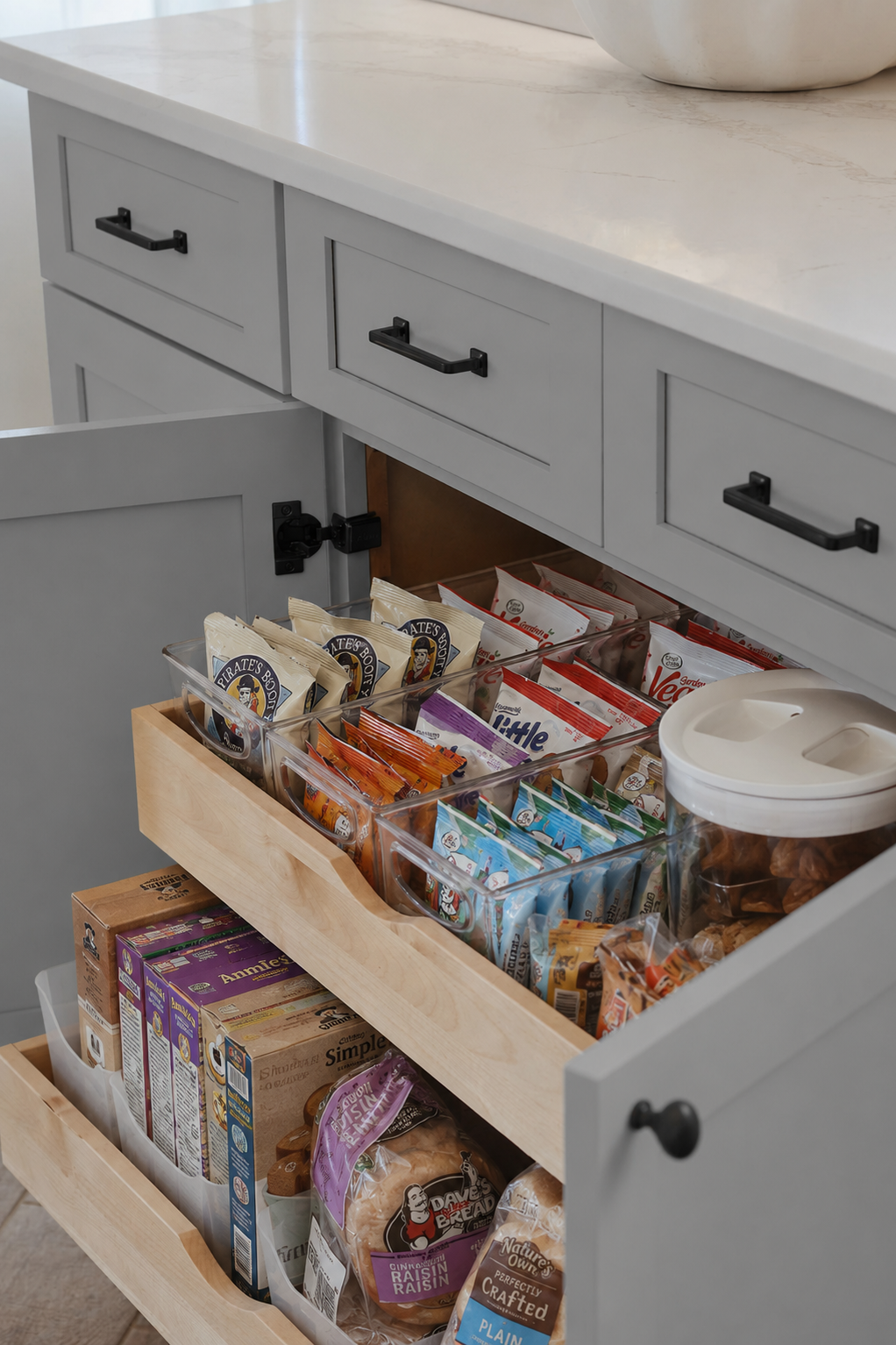
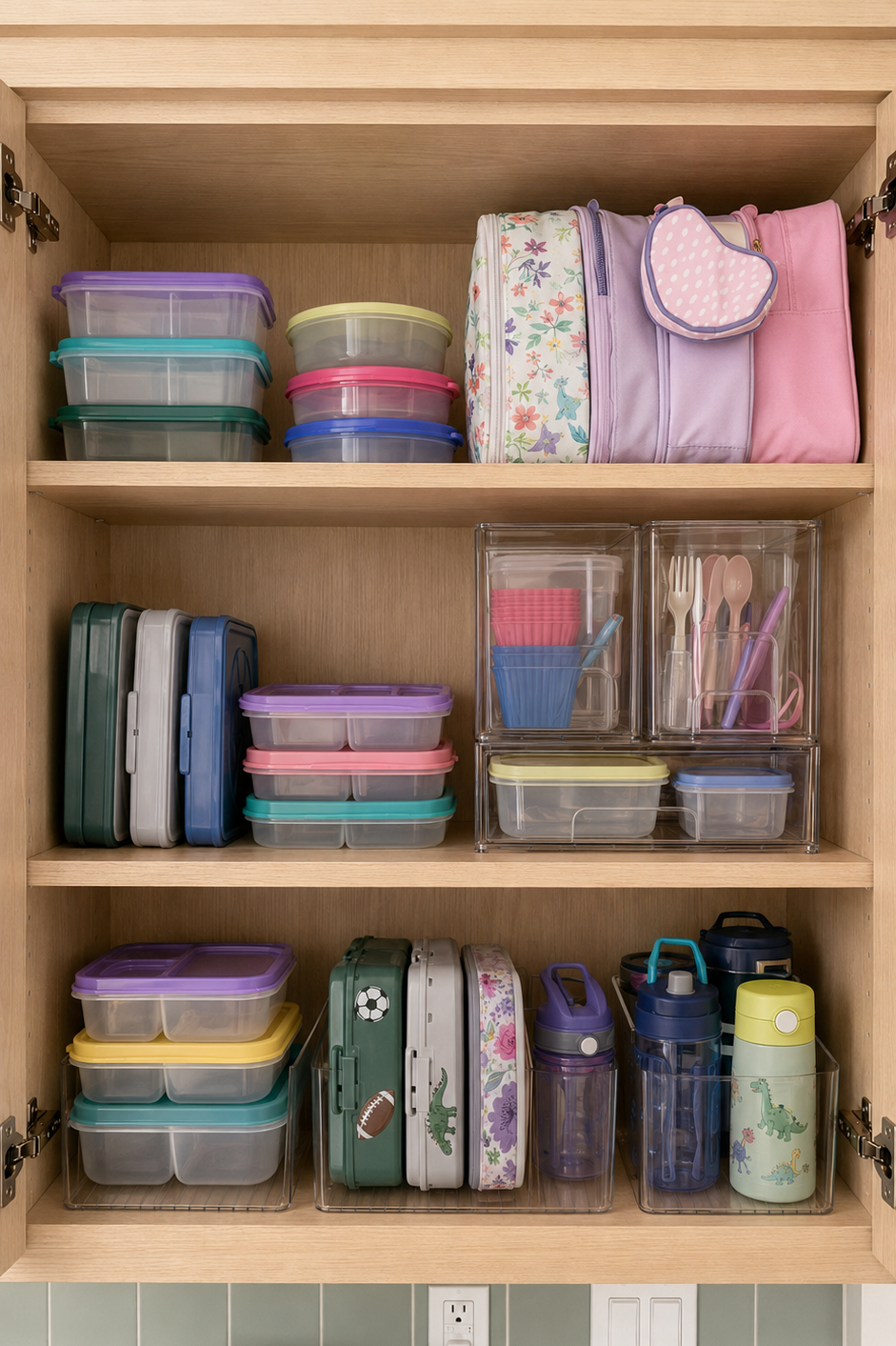
In the kitchen, create a lunch preparation area with reusable containers, bags, napkins, and utensils stored together. A lower drawer or pantry basket can hold child-friendly snacks so children can help choose and pack part of their lunch. Water bottles can be grouped in one cabinet, while a designated refrigerator bin keeps refrigerated lunch items easy to see. Keeping everything in one area reduces the need to search through several cabinets every morning.
A little preparation the night before can make the following day feel much more manageable. Fill water bottles, place shelf stable lunch items together, and check that backpacks contain completed assignments and signed papers. Breakfast dishes can be set out ahead of time, especially when the family has an early start. These simple habits help the kitchen support the morning routine rather than adding stress to it.
Closets can be organized with the same purpose in mind. Sort through clothing and shoes before school begins, removing pieces that no longer fit or are no longer worn. Keep useful and seasonally appropriate items in the most accessible areas. Clothes can be selected the night before or arranged into several complete outfits at the beginning of the week.
Lower hanging rails, accessible drawers, and easy to reach hooks can help younger children dress more independently. The back of a bedroom or closet door can also provide useful storage for tomorrow’s outfit, a jacket, or a frequently used bag. When the most important items have clear and convenient places, the entire family can move through the morning with fewer interruptions.
Keep the Family Organized in One Place
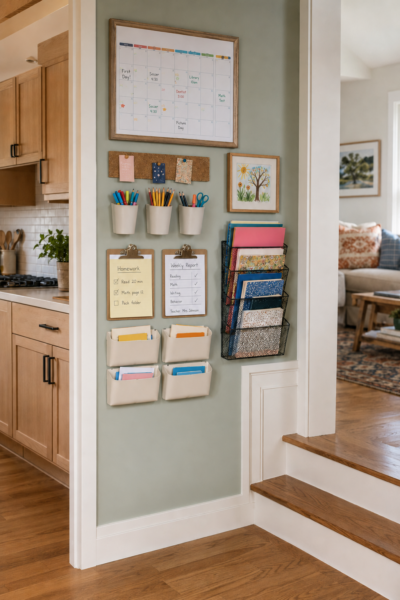
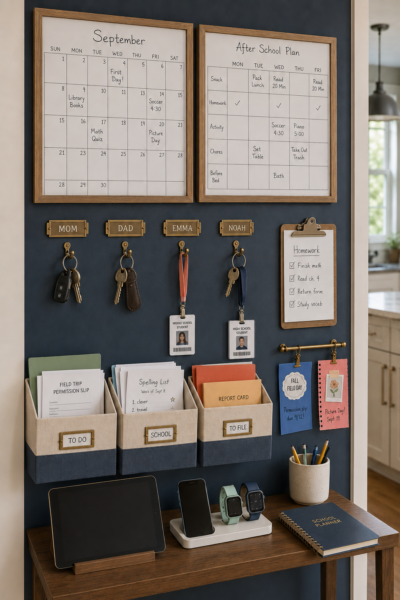
School schedules often include much more than classroom hours. Practices, appointments, permission slips, activity calendars, and special events can become difficult to manage when information is scattered throughout the home. A family command center gathers those details into one visible and dependable location. It gives everyone a shared place to check what is happening and what needs attention.
Choose an area the family passes every day, such as a kitchen wall, a section of the mudroom, or the side of a pantry. A calendar can display important dates, while a corkboard or magnetic board can hold invitations, reminders, and school notices. Separate folders or wall pockets can provide a place for papers that need to be signed, returned, or saved. A small shelf or set of hooks can hold keys, mail, and other items that tend to collect on the counter.
The command center should complement the room rather than feel like an office bulletin board. Coordinating frames, paper organizers, and storage containers can create a more cohesive appearance. Decorative moulding can frame the entire display and help it feel connected to the surrounding architecture. Painting the moulding and wall in coordinating colors can turn a practical planning area into an attractive feature.
The most effective organization systems are the ones that remain easy to update. Schedule a quick weekly reset to remove outdated papers, review the calendar, and prepare for the days ahead. Encourage each family member to return items to their proper places at the end of the day. A few minutes of shared preparation can prevent clutter from building and keep the system working throughout the school year.
Back to school season offers a natural opportunity to reset the home and create routines that make everyday life easier. A welcoming drop zone can contain the belongings that arrive home each afternoon, while a focused homework station provides a comfortable place to learn. Organized kitchens and closets can support smoother mornings, and a central command center can keep the entire family informed.
The goal is not to create a home that always looks perfect. Instead, organization should make the spaces the family uses every day more functional, comfortable, and enjoyable. Thoughtful storage and architectural details allow hardworking areas to feel practical without sacrificing style. With a few intentional changes, the home can become a supportive backdrop for calmer mornings, productive afternoons, and more time together throughout the school year.
Check out our Pinterest Board for more inspirational designs and make sure to follow us on all of our social media platforms @WeAreWoodgrain