
The Rise of Skilled Trades: What AI Means for the Next Generation Workforce

Technology is transforming the way people work, communicate, and build careers. As businesses adapt to new tools and innovations, many are also reassessing the skills and experiences that will be in demand in the years ahead. As artificial intelligence (AI) continues to influence workplaces across industries, interest is growing in careers that offer stability, hands-on problem-solving, and opportunities to develop specialized skills.
A recent industry study highlighted by Builder Magazine found that nearly half of Gen Z respondents are either learning a skilled trade or considering one as a career path. The report also found that concerns about AI are influencing how many young people think about career opportunities and long-term job stability. The findings point to a broader trend: as technology evolves, many individuals are placing greater value on careers that combine adaptability, technical expertise, and practical skills.
Why Skilled Trades Are Gaining Attention
The growing interest in skilled trades is about more than concerns over AI. Today’s workforce is looking for meaningful careers that offer opportunities for growth, skill development, and long-term stability. Skilled trades continue to provide those opportunities while playing an essential role in industries that communities rely on every day.
From manufacturing and construction to transportation and logistics, skilled professionals help keep businesses moving forward. These careers often provide a direct connection between effort and outcome, allowing individuals to see the impact of their work firsthand. Recent workforce research suggests many young professionals view skilled trades as a practical and rewarding career path in an evolving job market.
Technology and Trades Are Working Together
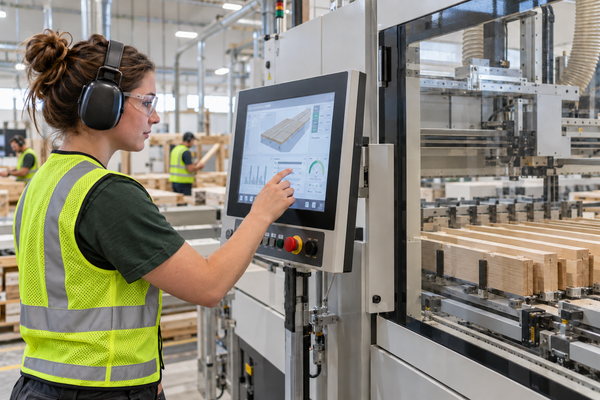
One of the most common misconceptions surrounding AI is that technology will replace every type of job. In reality, many industries are discovering that technology is most effective when it supports skilled employees rather than replaces them. According to Thumbtack’s 2026 Future of the Skilled Trades report, more than one-third of skilled-trade professionals already use AI within their businesses. Common applications include communication, research, marketing, and operational support.
This reflects a broader shift across manufacturing and construction. While technology can improve efficiency and provide valuable insights, experience, judgment, craftsmanship, and problem-solving remain critical to success. The future workforce will require both technical knowledge and hands-on expertise, creating opportunities for individuals who are willing to continuously learn and adapt.
What This Means for Manufacturing
Manufacturing sits at the center of this conversation. Modern manufacturing environments are driven by innovation, collaboration, and continuous improvement. Today’s facilities rely on advanced equipment, automation, data, and highly skilled employees working together to meet customer expectations and maintain quality standards.
As experienced workers retire and demand for skilled talent continues, manufacturers have an opportunity to introduce a new generation to careers that offer both stability and advancement. For individuals interested in combining technology with practical, real-world skills, manufacturing provides a unique and rewarding career path.
Looking Ahead
As technology continues to evolve, the conversation shouldn’t focus solely on what AI might replace, it should also focus on the skills that will continue to be essential in an increasingly technology-driven world. The growing interest in skilled trades suggests many workers are already thinking this way. They are looking for careers that combine technical knowledge, adaptability, problem-solving, and the ability to make a tangible impact.
Manufacturing is a strong example of this shift. Modern facilities rely on advanced technology and automation, but they also depend on skilled employees who can apply experience, judgment, and craftsmanship to deliver quality results.
At Woodgrain, we see this balance every day. Innovation continues to shape how work gets done, but people remain at the center of our success. As the next generation enters the workforce, opportunities that combine technology with hands-on expertise may become more important than ever.