
Where Past Meets Present: The Beauty of Vintage Revival Design
There is something undeniably special about a space that feels collected rather than created all at once. Vintage Revival embraces this idea, encouraging interiors that are layered with meaning, character, and a sense of history. Instead of relying solely on new furnishings, this approach invites the thoughtful integration of vintage and antique pieces that bring depth and authenticity into the home. Vintage Revival is an interior design approach that blends older, well-crafted pieces with contemporary elements to create spaces that feel balanced, personal, and lived in. Rather than following the sleek, highly uniform look often associated with modern interiors, it leans into warmth, texture, and individuality. This allows a home to feel less staged and more reflective of the people who inhabit it, with each piece contributing to a broader and more meaningful composition.
As design continues to shift toward more personal and intentional spaces, many homeowners are drawn to elements that feel unique and storied. Vintage pieces offer exactly that. Whether it is a well-worn dresser, an antique mirror, or a reclaimed wood table, these items carry a presence that adds warmth in a way that newer pieces often cannot replicate. Each mark, detail, and imperfection contributes to a narrative, making a space feel more lived in and welcoming. At the same time, Vintage Revival aligns naturally with a more mindful approach to design. Choosing pre-loved furnishings extends the life of existing materials and reduces the demand for new production. It allows homeowners to design with intention while still achieving a polished and cohesive look. This balance between beauty and responsibility contributes to spaces that feel both thoughtful and enduring.
For those exploring this style for the first time, Vintage Revival offers a flexible way to begin shaping a more personal home. It does not require a complete redesign, but instead encourages the gradual introduction of pieces that resonate on an individual level. Over time, these selections come together to form a space that feels curated, connected, and uniquely your own.
Blending Old with New
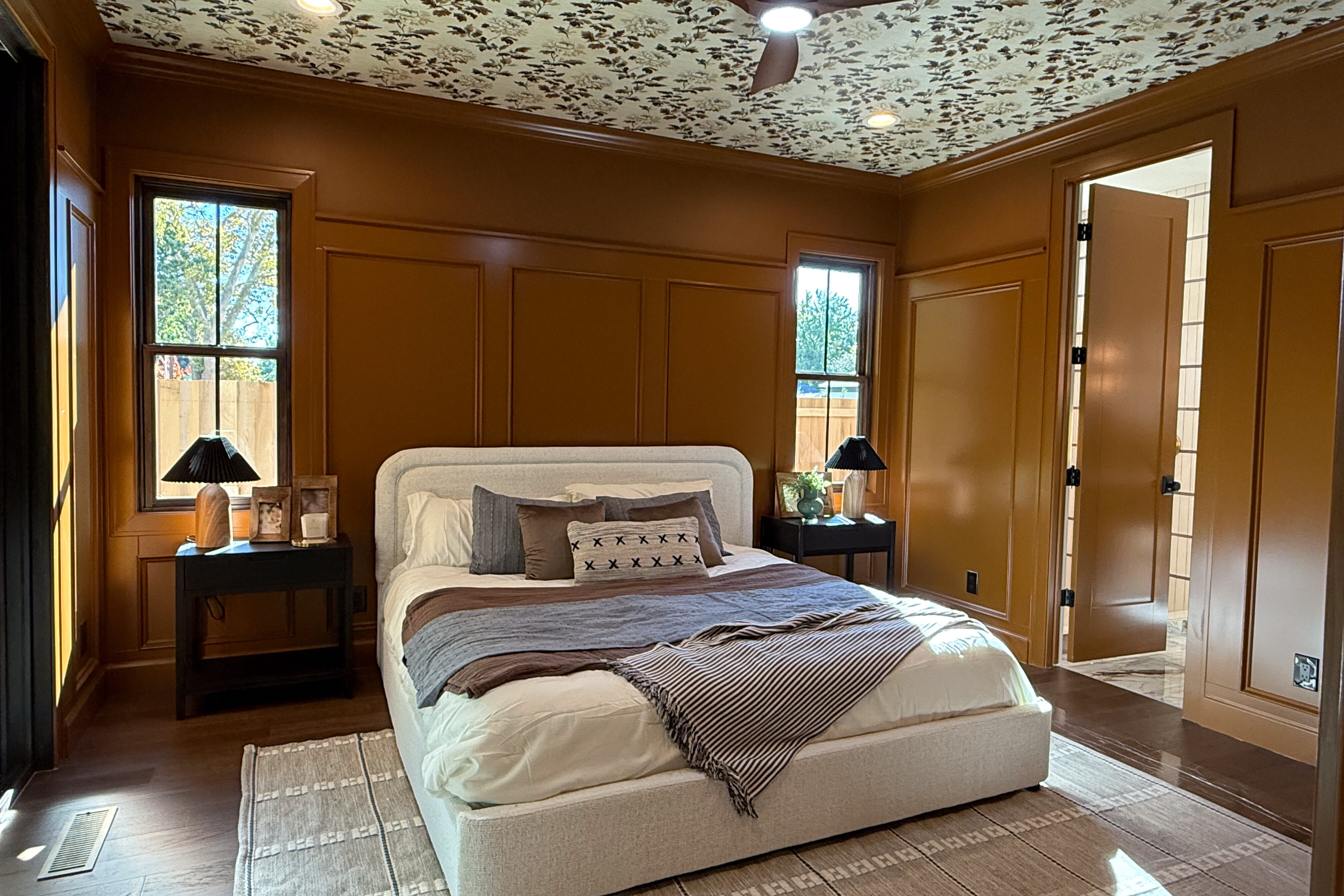
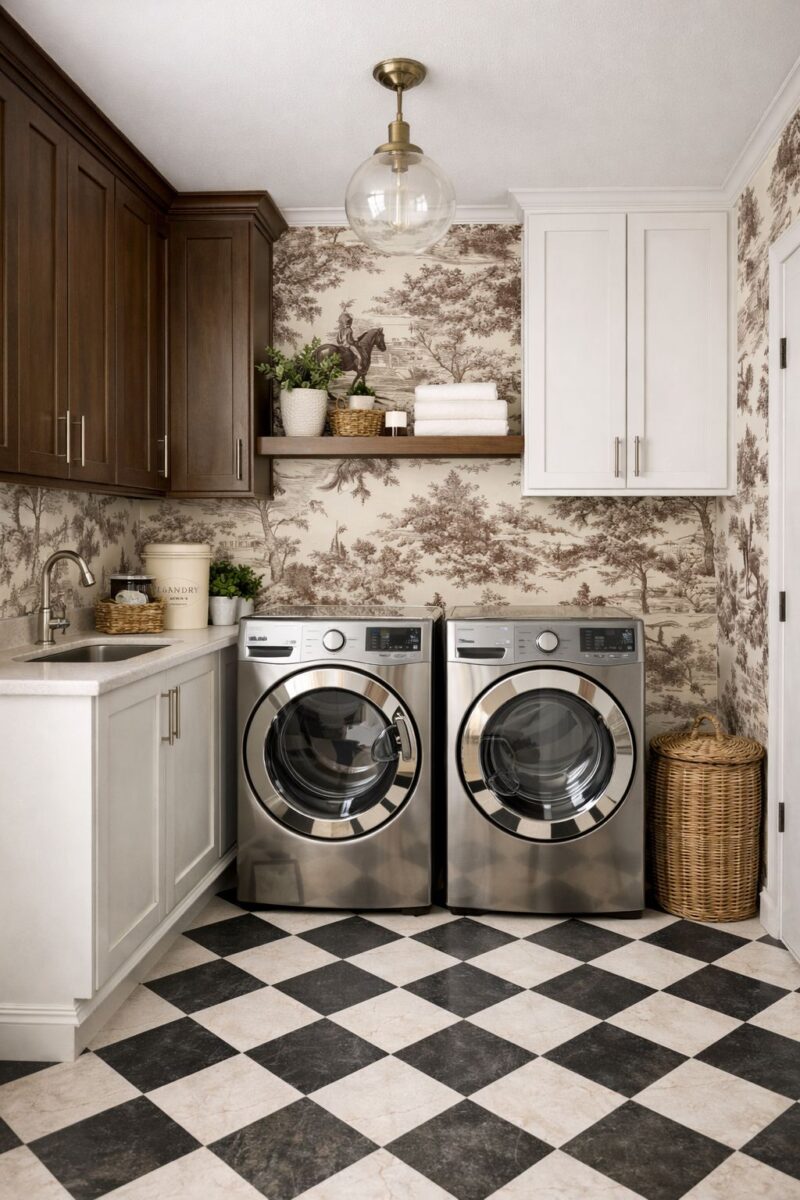
One of the most defining aspects of Vintage Revival is how naturally older and newer elements can coexist. Rather than choosing between traditional and modern design, this approach brings them together in a way that feels balanced and intentional. The contrast between eras adds depth to a space, creating visual interest without making the environment feel overly styled or forced. In practice, this often comes down to pairing pieces that complement each other through shape, scale, and tone. A clean-lined sofa can feel more grounded when placed alongside a vintage coffee table. A modern kitchen may feel more inviting when accented with antique stools or classic lighting. These combinations allow each element to stand on its own while still contributing to a cohesive whole.
What makes this approach especially approachable is its flexibility. There is no need to replace everything at once or commit to a single direction. Instead, the space can evolve gradually as vintage pieces are introduced over time. Each addition builds upon what is already present, slowly shaping a home that feels collected rather than constructed. When done thoughtfully, the blend of old and new creates a sense of continuity that feels natural to live in. It avoids the rigidity of matching sets or overly coordinated design, instead embracing variation in a way that feels relaxed and authentic. The result is a space that feels balanced, layered, and quietly expressive.
Thoughtful Details
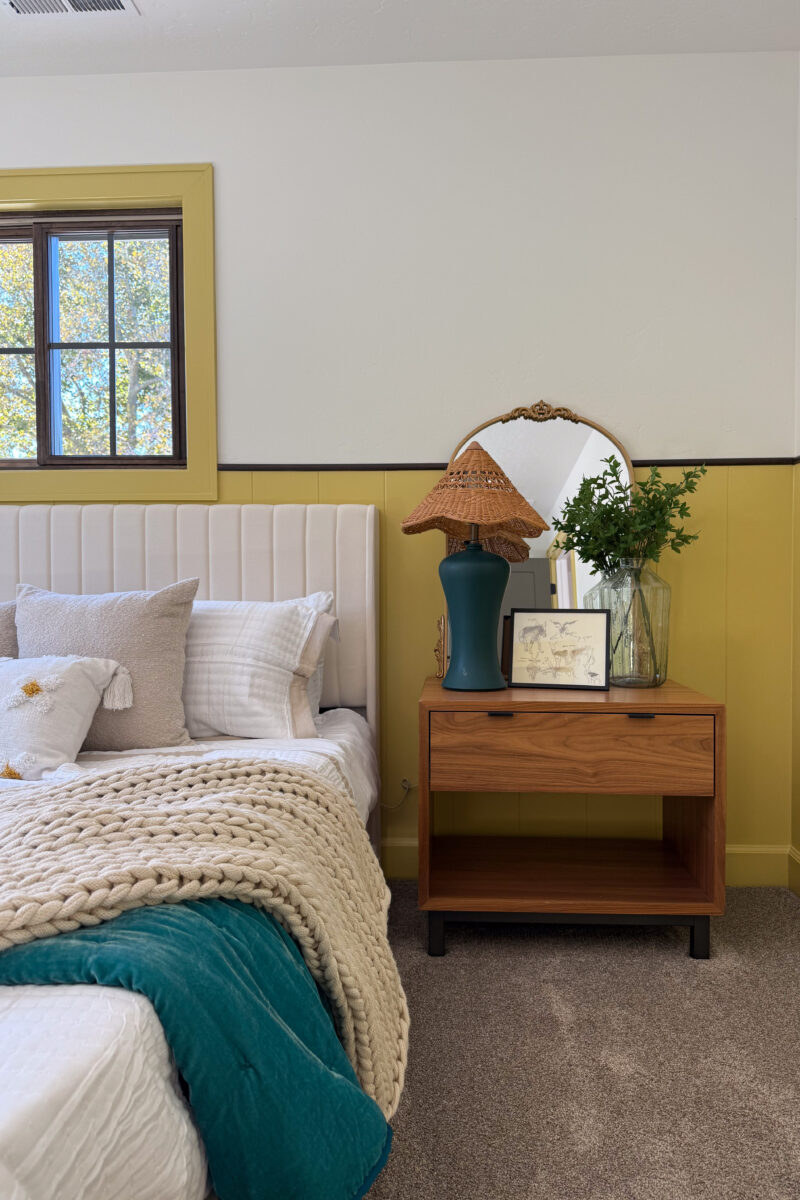
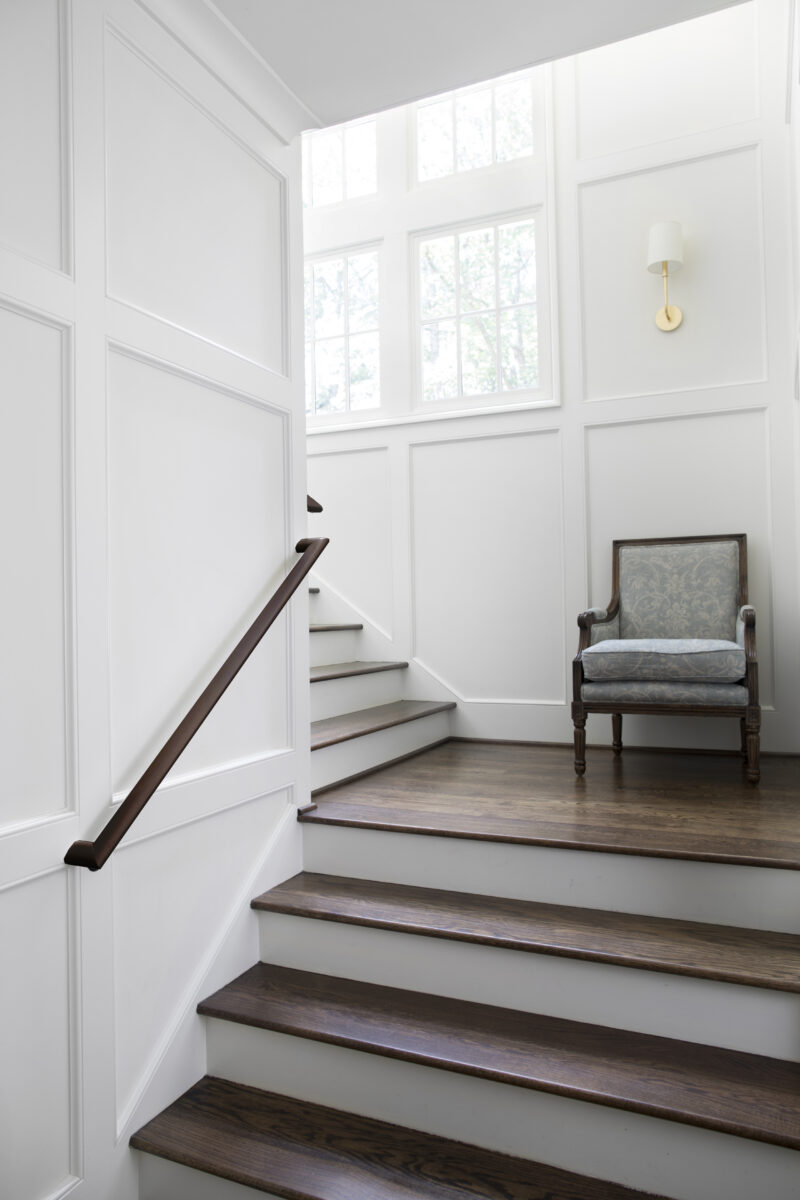
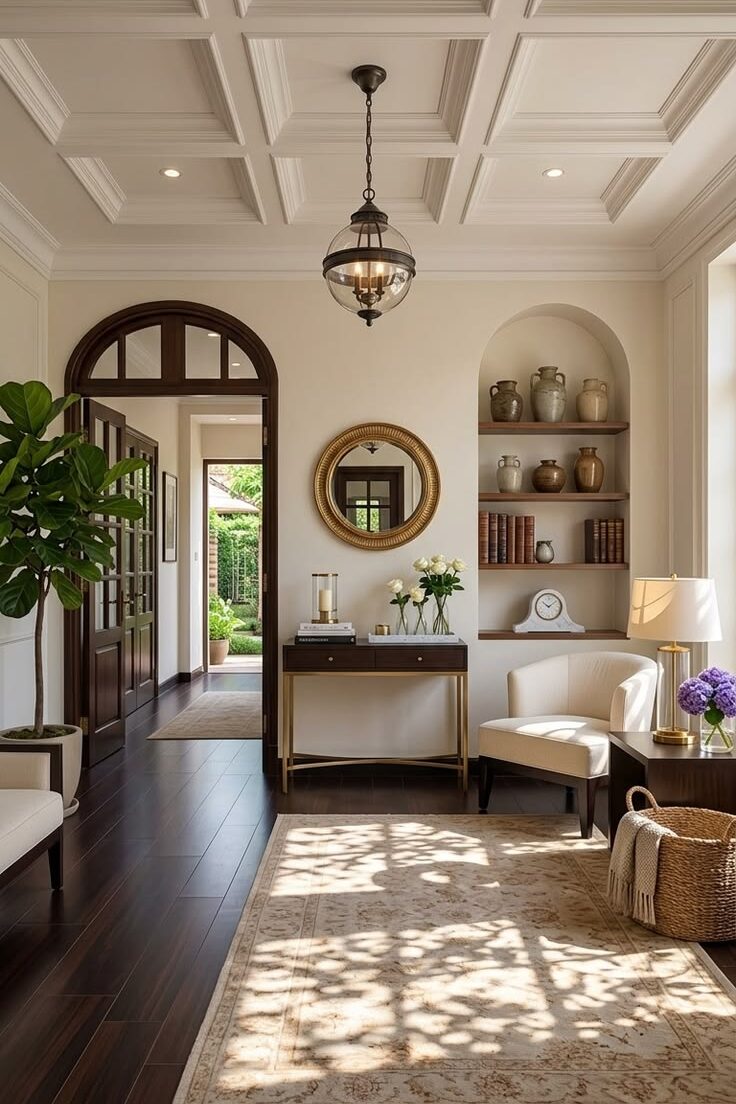
Architectural details quietly shape how a space feels, often before you even notice them. The way a room is framed, how one space connects to the next, and the subtle structure along the walls all play a role in creating a home that feels cohesive and lived in. In a Vintage Revival interior, these details act as the foundation, supporting a mix of vintage and modern pieces so the space feels natural and collected rather than overly planned.
This approach fits especially well with design styles that already carry a sense of warmth and familiarity. Traditional interiors often rely on balanced proportions and subtle detail that feel timeless without being overwhelming. English inspired spaces bring in that layered, lived in quality, where every piece feels like it has been gathered over time. European influenced design adds a sense of craftsmanship and permanence through thoughtful architectural touches, while Coastal Classic interiors can complement the look when they stay light, simple, and focused on natural materials.
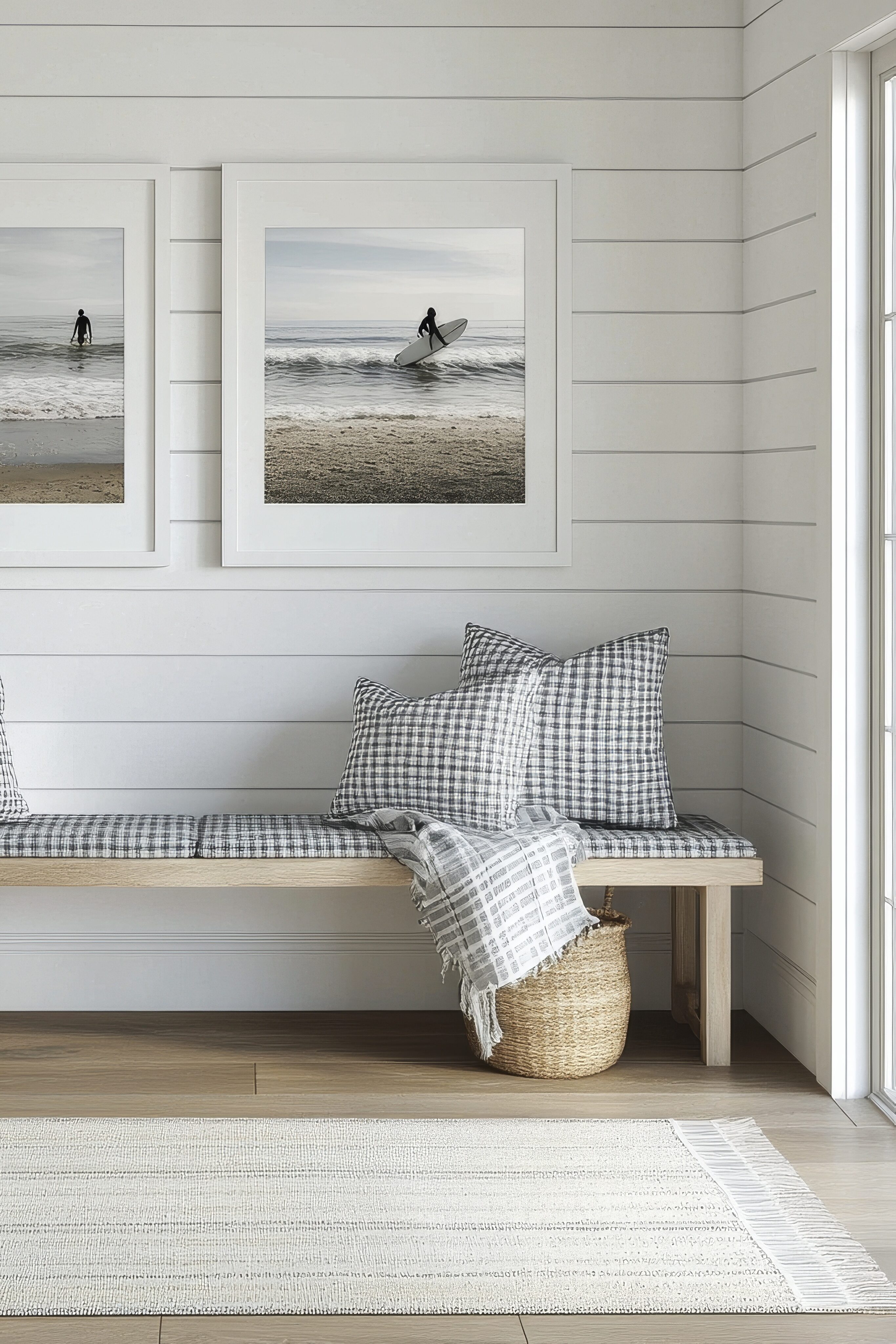
As you move through a space like this, the wall details start to feel more noticeable in a subtle way. Fluted and reeded can bring structure without feeling heavy, while picture frame moulding adds quiet definition to a room. Board and batten offers a more grounded, traditional feel, and shiplap can soften a space with a more relaxed character. In some homes, wood slat walls or a simple herringbone pattern introduce just enough visual interest to keep things feeling layered. None of these elements are meant to stand alone. Instead, they work together to create a sense of rhythm and balance that allows vintage furnishings and modern accents to feel like they naturally belong together.
Curious to learn more about moulding and how to choose the right profile for your space? Our blog A Beginner’s Guide to Choosing the Perfect Trim and Moulding is a great place to start and offers helpful guidance for getting familiar with the basics. For those drawn more toward a vintage inspired look, our Vintage and Antiques blog provides additional inspiration on incorporating timeless, character rich pieces into your home.
Materials and Finishes that Tell a Story
In a Vintage Revival style home, materials are not simply chosen for how they look, but for how they live within a space. They shape the atmosphere in subtle ways, influencing how a room feels throughout the day. A surface that carries slight variation, a finish that softens with time, or a texture that invites touch all contribute to a sense of depth that feels both quiet and enduring.
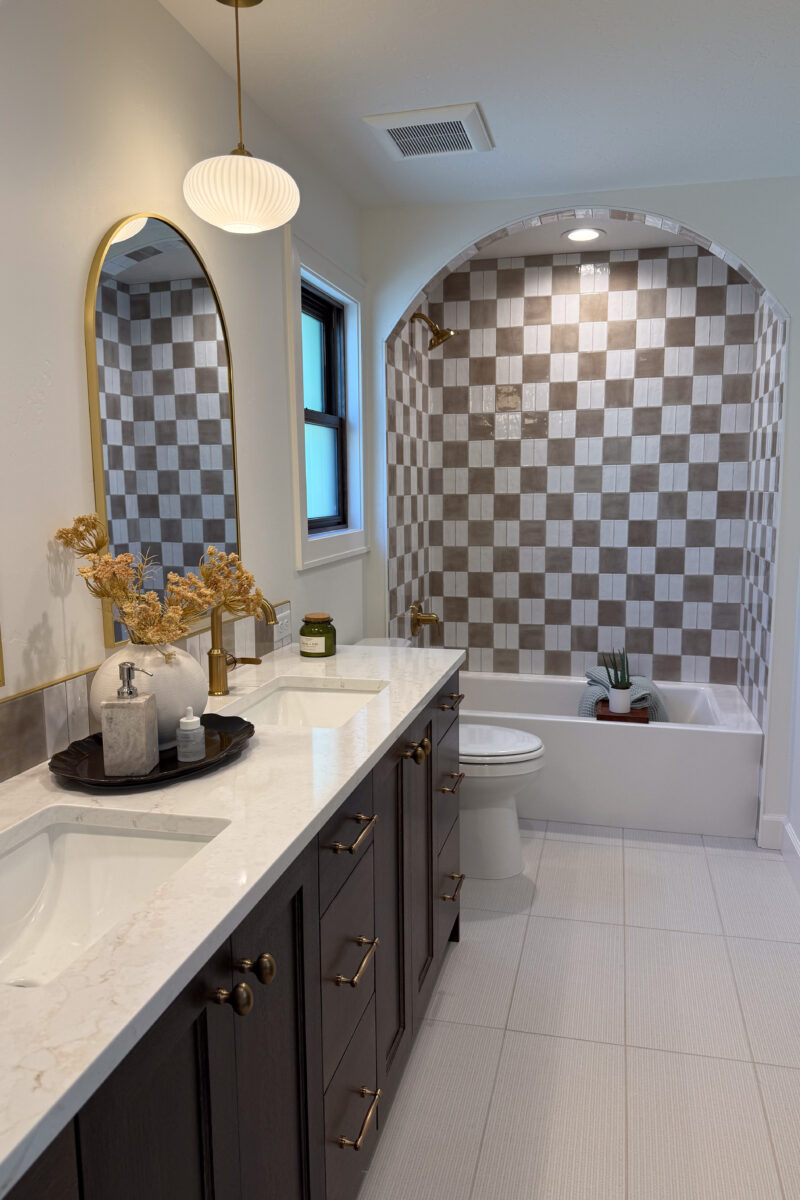
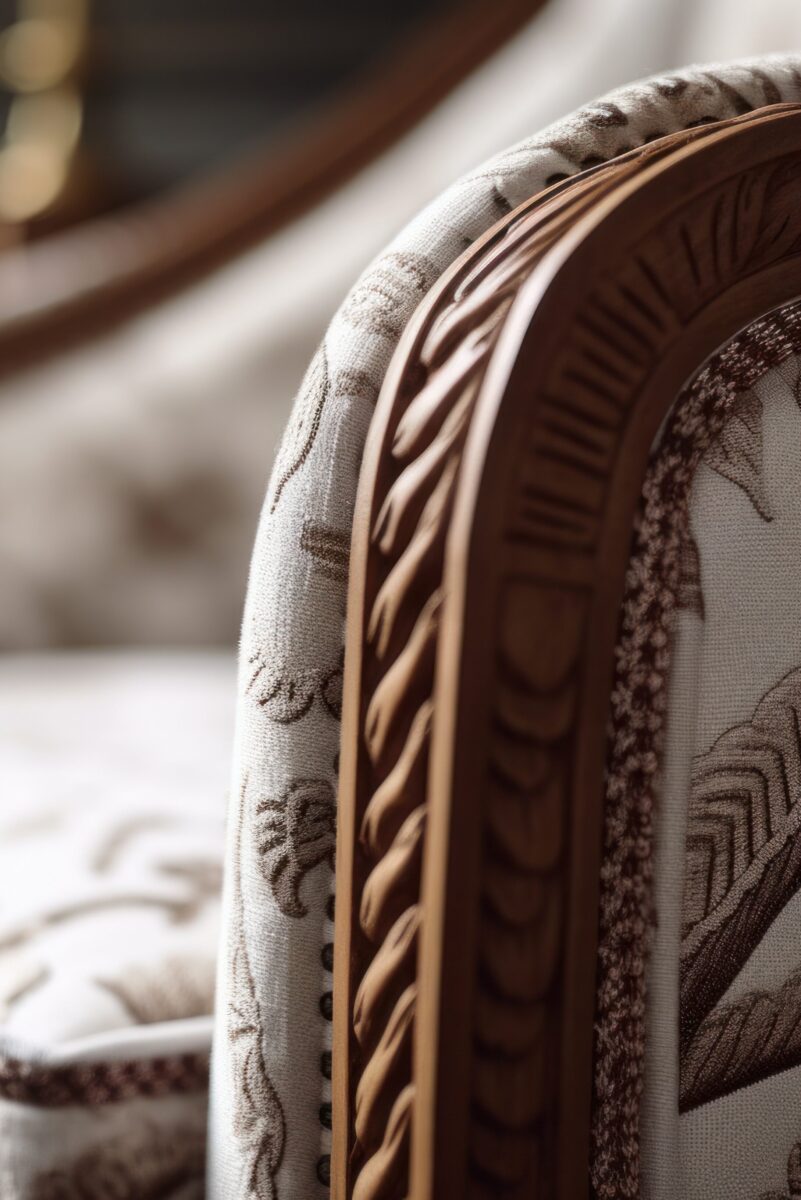
Wood often serves as the foundation, bringing a natural warmth that grounds the space. Its variation in tone and grain introduces movement, preventing interiors from feeling overly refined or static. Pieces that show signs of age or wear tend to carry a certain ease, as though they have already settled into their surroundings. Even newer wood elements can take on this same character when paired with materials that soften their presence, while metal accents in finishes like aged brass or brushed bronze introduce contrast in a more understated way, often appearing in lighting, hardware, or smaller details that quietly connect the space.
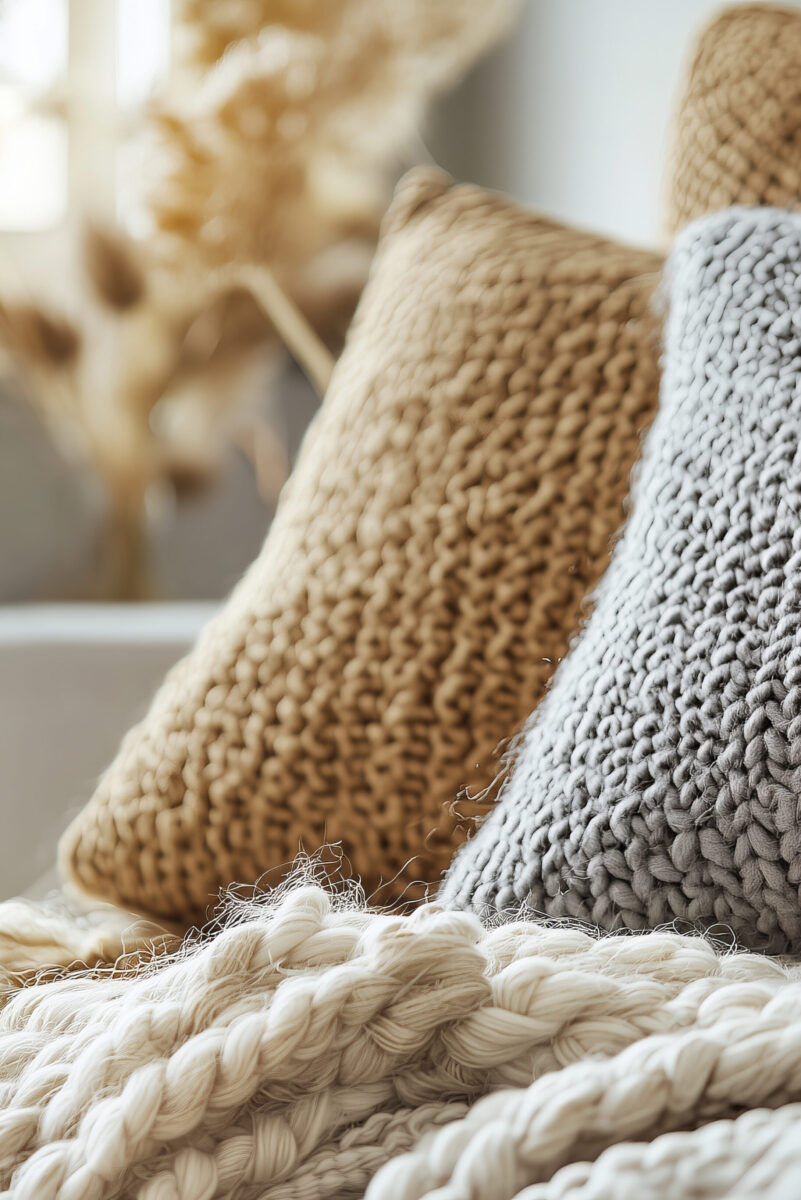
Textiles help bring a sense of comfort that completes the overall feel of the room. Linen, cotton, and wool add softness through upholstery, drapery, and layered accents, balancing the structure created by harder materials. Their natural variation keeps the space from feeling too composed, allowing it to remain approachable and relaxed. Color works in a similar way, with warm neutrals and muted tones creating a cohesive foundation that allows both vintage and modern elements to sit comfortably together.
When these materials are layered with intention, the space begins to feel less like it was designed all at once and more like it has taken shape over time. Each element adds to the overall story, creating an environment that feels grounded, inviting, and quietly expressive. It is this thoughtful balance of texture, tone, and subtle imperfection that gives Vintage Revival its lasting sense of character.
Styling with Intention
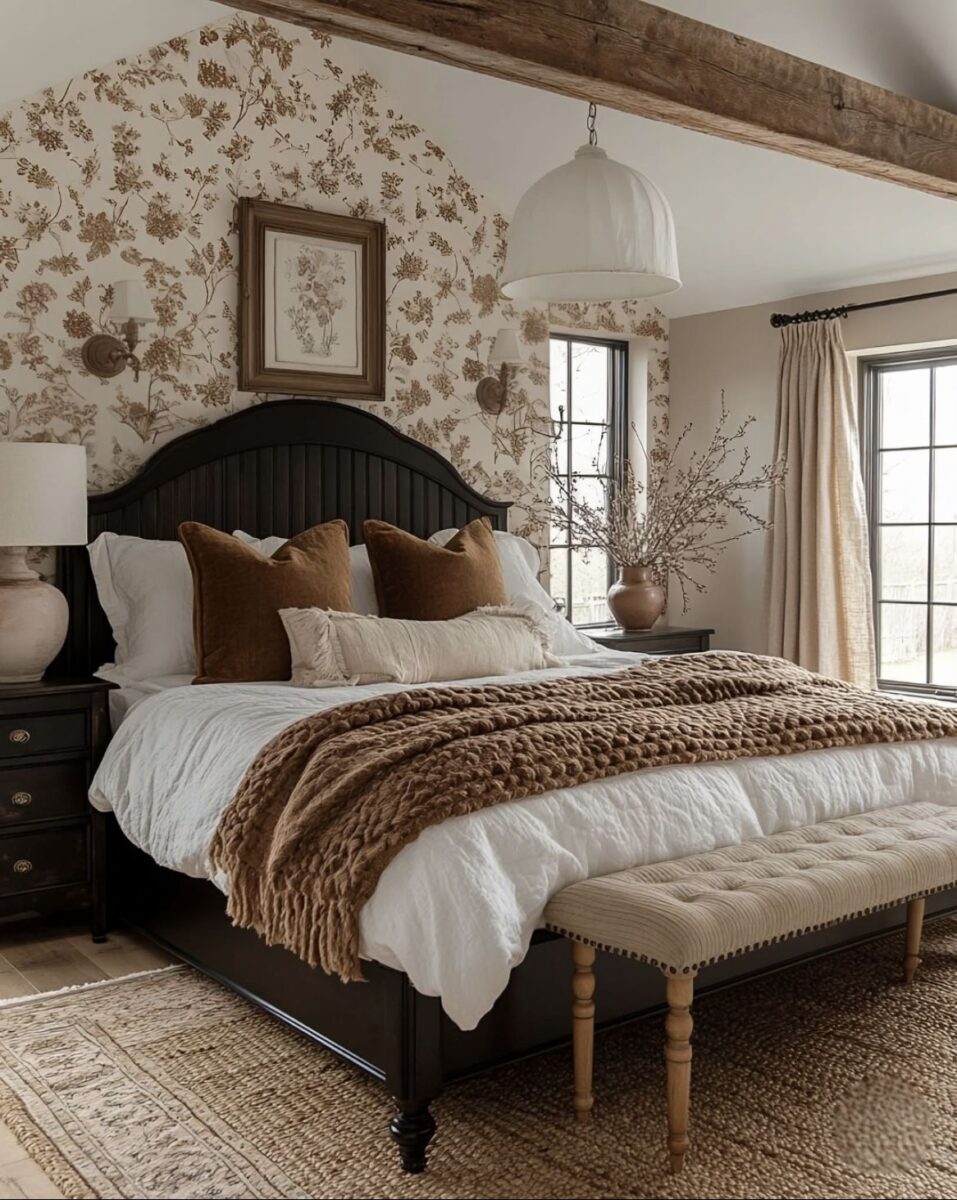
In a Vintage Revival home, not every piece needs to compete for attention. Often, it is a single item that sets the tone for the entire room. A vintage dresser, an antique mirror, or a well-worn table can quietly become the focal point, giving the space a sense of direction without feeling overly designed. Starting with one meaningful piece allows everything else to fall into place more naturally. From there, the surrounding elements can be chosen to support rather than overshadow it. Simpler, more modern pieces often work well as a backdrop, allowing the character of the vintage item to stand out. This balance helps create a space that feels intentional, where each piece has room to be appreciated without competing for attention. This approach also makes the process feel more approachable. Instead of trying to design an entire room at once, you can begin with one piece that speaks to you and build outward over time. It becomes less about following a specific look and more about responding to what feels right in the space. Over time, these focal points begin to shape the overall feel of the home. Each one adds a layer of character and history, helping the space feel more personal and connected. The result is a home that feels thoughtfully composed, where every piece has a presence and a purpose.
At its heart, Vintage Revival is about creating a home that grows with you. It is a more thoughtful approach to design that encourages patience, allowing each piece to be chosen with intention rather than urgency. Over time, these decisions build on one another, resulting in a space that feels personal, grounded, and genuinely lived in. By blending vintage and contemporary influences, this style creates a balance that feels both current and timeless. The mix of old and new allows a home to stay flexible and adaptable, while still maintaining a sense of cohesion. It is less about following a strict formula and more about finding harmony between materials, finishes, and the stories behind each piece. As a space evolves, it naturally begins to reflect the people who live in it. Vintage elements often carry history and character, while newer pieces help keep the environment feeling relevant and functional. Together, they create a home that feels layered in a quiet and meaningful way, where nothing feels rushed or accidental.
If this approach resonates with you, we would love to be part of your journey. Share your space with us on social media and tag us so we can see how you are creating a home that feels personal, layered, and uniquely yours.
Check out our Pinterest Board for more inspirational designs and make sure to follow us on all of our social media platforms @WeAreWoodgrain